
Vis
Play Vis
Vis Screenshots












































Vis review
Explore the medieval fantasy visual novel with dynamic storytelling and character-driven narrative choices
Vis is a fantasy-themed visual novel that places you in the role of a prince navigating the complexities of ruling a newly formed kingdom called Colonia. Developed by Mad King Games using the RenPy engine, this narrative-driven experience combines strategic decision-making with character customization and relationship building. Every choice you make shapes your empire’s destiny, from diplomatic negotiations to moral dilemmas that test your leadership. Whether you’re interested in the intricate storyline, character interactions, or the consequences of your decisions, Vis offers a deeply immersive experience where your actions directly influence the world around you.
Understanding Vis: Core Gameplay Mechanics and Story Foundation
Ever feel like you’re just clicking through a story, your choices amounting to little more than a slight detour before the plot railroad snaps you back on track? 🤔 I’ve been there. Many visual novels promise branching paths, but few deliver a world that truly bends to your will. That’s exactly why my first playthrough of Vis felt like a revelation. Here, the decision-based storytelling isn’t a suggestion; it’s the law of the land. You aren’t just reading a tale about a prince—you are architecting his soul, his kingdom, and his legacy, one weighty choice at a time.
Welcome to the heart of Vis visual novel gameplay. This isn’t a passive experience; it’s an interactive throne from which you will rule, scheme, love, and conquer. Every mechanic, from dialogue to customization, is engineered to make you feel the immense weight and exhilarating freedom of your position. Let’s pull back the curtain on the systems that make this medieval fantasy epic so uniquely compelling. 🏰
What Makes Vis a Unique Visual Novel Experience
At its core, Vis is built on the versatile RenPy game mechanics, a foundation familiar to many visual novel fans. But think of RenPy here less as a simple page-turner and more as the sophisticated engine of a statecraft simulator. The classic text-and-choices format is supercharged, transforming into a dynamic canvas where your every decision paints the future of Colonia.
The Vis game protagonist is you—a prince returned home to a fractured realm. But you’re no blank slate. From the moment you begin, you’re thrust into a rich medieval fantasy setting brimming with political intrigue, ancient magic, and morally grey characters. Your overarching goal is deceptively simple: secure the throne and decide the fate of an empire. Will you be a benevolent unifier, a ruthless tyrant, or a cunning diplomat playing factions against each other? The path is entirely yours.
What truly elevates the Vis visual novel gameplay is its reactive world. NPCs aren’t just static portraits with pre-programmed lines; they have memories. 👑 If you insult a noble in Chapter 2, don’t be surprised if they withhold their troops in Chapter 5, or worse, send “bandits” to ambush your caravan. Conversely, showing mercy to a defeated rival might earn you an unexpected ally who shows up with reinforcements when all seems lost. This reactive storytelling means the game world feels alive, shifting and responding to your reputation.
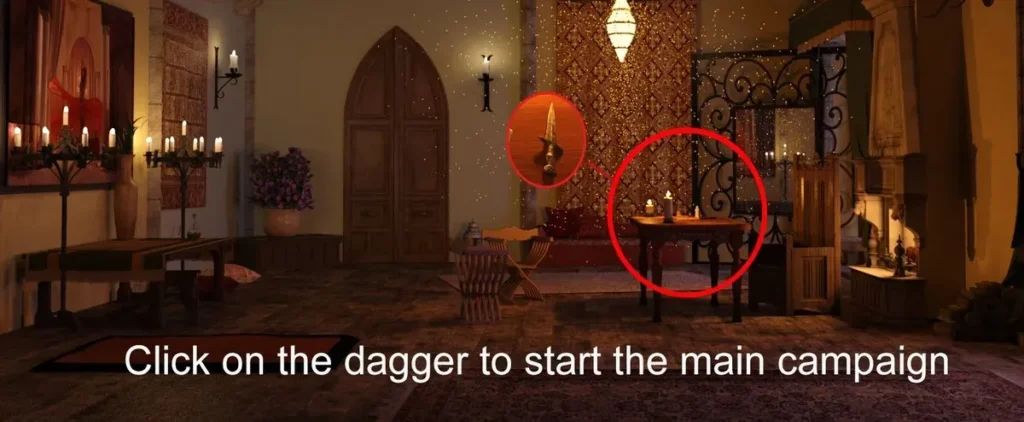
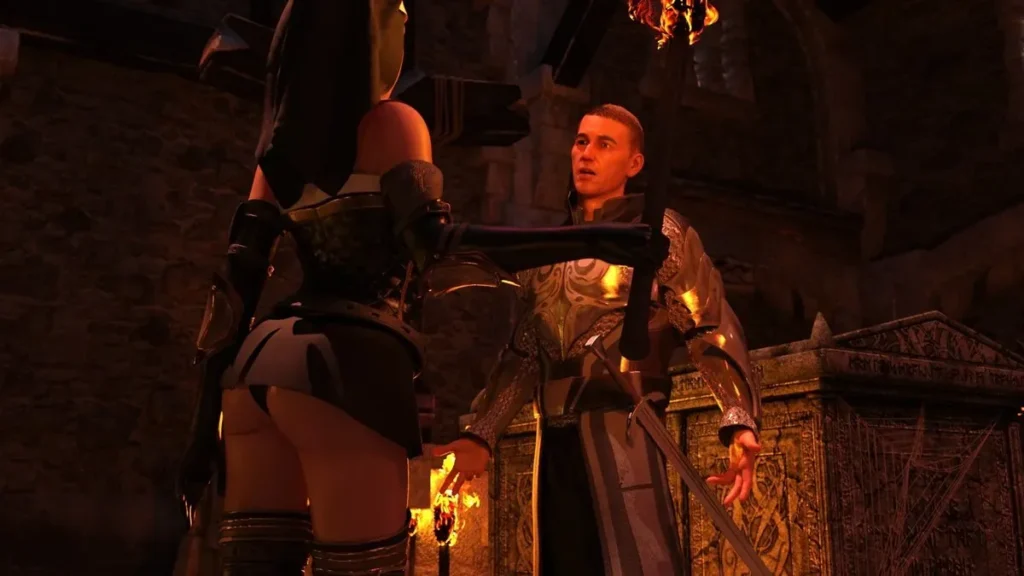
And let’s talk about immersion. Vis leverages high-resolution 3DCG art that is simply stunning. Characters are expressive, environments are lush and detailed, and key scenes are rendered with a cinematic quality that pulls you deeper into the world. It’s not just about looking pretty—seeing the subtle smirk on a rival’s face or the weary resolve in a soldier’s eyes adds profound depth to the fantasy visual novel choices you make.
Character Progression and Customization Systems
Here’s where you stop being just “the prince” and start becoming your prince. The character customization Vis offers is the bedrock of your entire journey. This goes far beyond picking a name or a haircut; you are fundamentally defining your protagonist’s upbringing, core competencies, and latent personality traits. It’s the first and most important set of fantasy visual novel choices you’ll make.
Think of it like this: the traits you select here don’t just change flavor text. They actively unlock or lock dialogue options, influence the difficulty of skill checks, and determine how other characters initially perceive you. Choosing a background in “Diplomacy” might let you smooth-talk your way past a guard, while a “Military” background could give you the insight to call out a liar about troop movements. Your custom build directly shapes the narrative tools at your disposal.
To give you a clear picture of how these foundational choices ripple through the game, here’s a breakdown:
| Customization Option | Gameplay Impact & Examples |
|---|---|
| Royal Upbringing (Diplomat, Strategist, Scholar) | Sets your primary stat strengths. A Diplomat excels in Persuasion checks for peaceful solutions. A Strategist has advantages in Warfare tactics and logistics decisions. A Scholar might uncover hidden lore or magic, offering unique story paths. |
| Core Traits (Just, Cunning, Charismatic, Stoic, etc.) | These are your personality flags. A “Just” character will have special options to uphold the law, but may miss opportunistic, underhanded gains. A “Cunning” protagonist can devise traps and schemes others can’t. |
| Skills & Proficiencies (Swordsmanship, Statecraft, Arcana, Economics) | Your numerical stats. High Swordsmanship might let you win a crucial duel. High Economics unlocks options to solve a famine through trade instead of raids. Failing a check can lead to new, unexpected (and often challenging) story branches. |
| Personal History (Alliances, Rivalries, Debts) | Defines your starting relationships. You might begin the game with a trusted childhood friend in a key position, or a bitter rival already plotting against you, immediately personalizing the political landscape. |
This system means no two playthroughs of Vis are the same. My first prince was a Charismatic Diplomat who tried to talk his way out of every conflict. 🗣️ It worked brilliantly… until it didn’t, and I faced a coup I was utterly unprepared to fight. On my second run, I created a Stoic Strategist with a military past. Suddenly, options that were once greyed out were available—I could assess fortifications, inspire raw recruits, and intimidate opponents with cold, logical threats. The entire story changed its flavor because the character customization Vis provided had given me a different lens through which to view the kingdom.
Progression is ongoing, too. As you navigate the story, your actions will further shape these stats and traits. Showing repeated mercy might incrementally boost a “Compassionate” hidden trait, opening new avenues later. It’s a brilliant feedback loop where your choices define your character, and your character then defines what choices you can even see.
Decision-Making and Consequence Systems
Alright, let’s get to the juicy part—the moment where you click a option and the game world trembles. 🌀 The Vis consequence system is what separates it from the pack. This isn’t a simple “Choice A leads to Ending A” flowchart. It’s a web of interconnected cause and effect, where decisions create ripples that spread across the entire narrative pond, often in ways you can’t immediately foresee.
The philosophy here is that every choice, big or small, has weight. Telling a minor lie to ease a tense moment might establish you as untrustworthy in the eyes of a perceptive advisor. Spending gold to help a besieged village might drain your coffers when you desperately need to bribe a spy later. The game tracks it all, weaving your actions into the fabric of Colonia’s history.
Central to this is the deep relationship system with NPCs. Every major character has a hidden relationship score and a personal opinion of you based on your actions, your traits, and even the rumors they hear. A high reputation with the Merchant Guild could net you better prices and crucial information. A low standing with the Military Council could mean they deliberately obey your orders slowly or “misplace” vital supplies before a battle. Your romantic pursuits are woven into this same tapestry; pursuing one suitor might alienate another, turning a potential ally into a vengeful foe.
Pro Tip from My Playthrough: Early on, I had to judge a popular knight accused of treason. The evidence was shaky. I could execute him (pleasing the paranoid nobility), imprison him (a neutral but costly option), or pardon him (risking my own reputation). I chose pardon, believing in his honor. This single decision, seemingly about one man, later determined whether a key fortress remained loyal to me during a rebellion. The knight became my staunchest defender. That’s the Vis consequence system in action.
Let me walk you through a real gameplay scenario to show how one decision can branch in astonishing ways. Imagine a scene where bandits are raiding a trade route. You, as the Vis game protagonist, have several options:
- Lead the Garrison Yourself (Requires Military Proficiency): You crush the bandits, boosting soldier morale and your personal legend. However, while you’re away, a political rival spreads rumors in court unchallenged.
- Send a Trusted Captain: The job gets done efficiently. You remain in the capital to manage politics. But perhaps the captain is wounded, creating a future vacancy, or he succeeds too well, making him a potential rival for the soldiers’ affection.
- Hire Mercenaries (Costs Gold): It’s a clean, hands-off solution that preserves your troops. Yet, this funds a potentially dangerous independent force, and the nobles may see it as a sign of weakness or cowardice.
- Negotiate with the Bandits (Requires Cunning/Diplomacy): You discover they are desperate farmers driven to crime by famine. Addressing their grievances turns them into informants, unlocking a new quest to fix the realm’s food distribution—a much larger, more systemic problem.
Each path alters your resources, relationships, and available story threads. The “best” choice doesn’t exist; only the choice that aligns with the ruler you are becoming. This is the pinnacle of decision-based storytelling, where you’re not guessing which option the writer wanted you to pick, but actively writing your own story through actions and their authentic repercussions.
This intricate, character-driven approach is what makes Vis more than a game—it’s a personalized epic. The RenPy game mechanics work tirelessly under the hood to track a thousand variables, ensuring your journey through this medieval fantasy feels uniquely, irrevocably yours. From the deep character customization Vis offers at the start to the staggering ripple effects of the Vis consequence system, every element is designed to make you lean in, ponder your choices, and live with their outcomes. So, who will your prince be? The realm of Colonia awaits its architect. ⚔️✨
Vis stands out as a compelling fantasy visual novel that prioritizes player agency and narrative depth. The combination of meaningful choices, character customization, and a reactive world creates an engaging experience where every decision carries weight. Whether you’re drawn to the political intrigue of ruling Colonia, the relationship dynamics with diverse characters, or the satisfaction of shaping your empire’s destiny, Vis delivers a rich storytelling experience. The game’s high-resolution visuals and RenPy foundation ensure smooth gameplay across platforms. If you’re looking for a visual novel that respects your choices and rewards exploration of different narrative paths, Vis offers substantial replay value and emotional investment in your character’s journey.