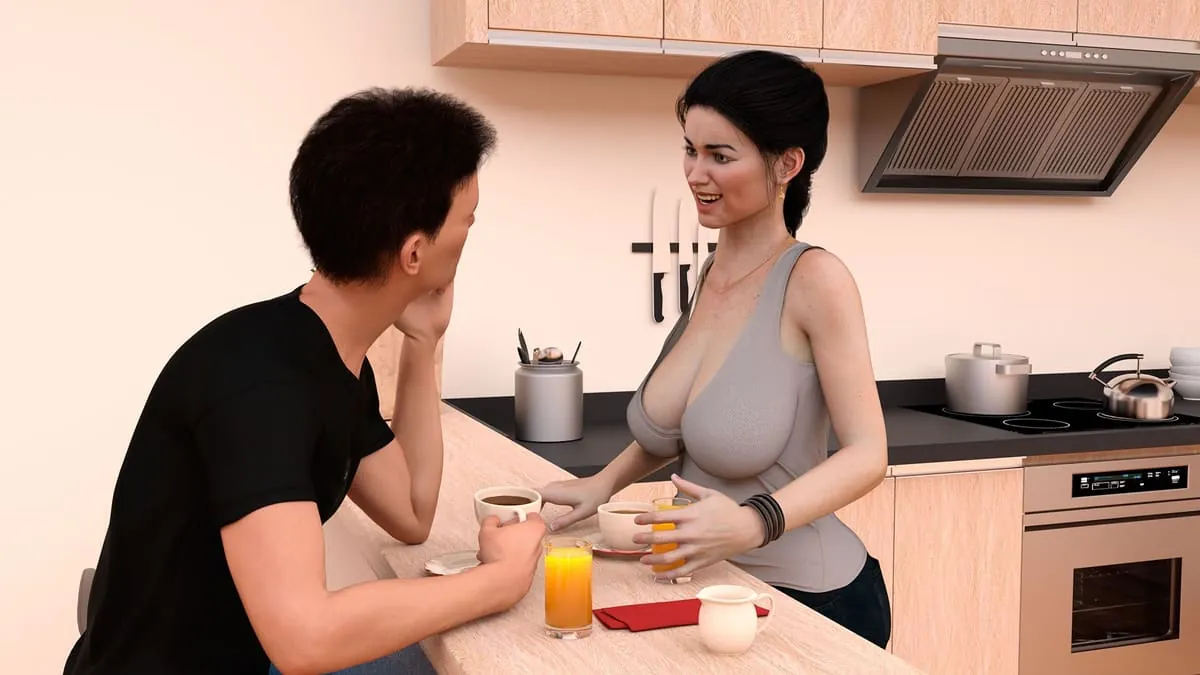
The Restaurant
Play The Restaurant
The Restaurant Screenshots










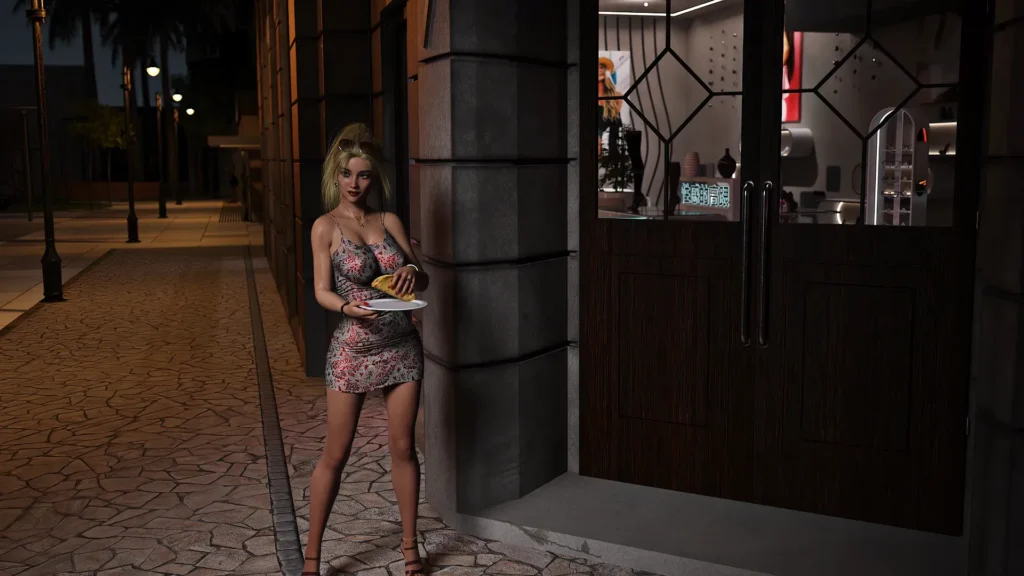
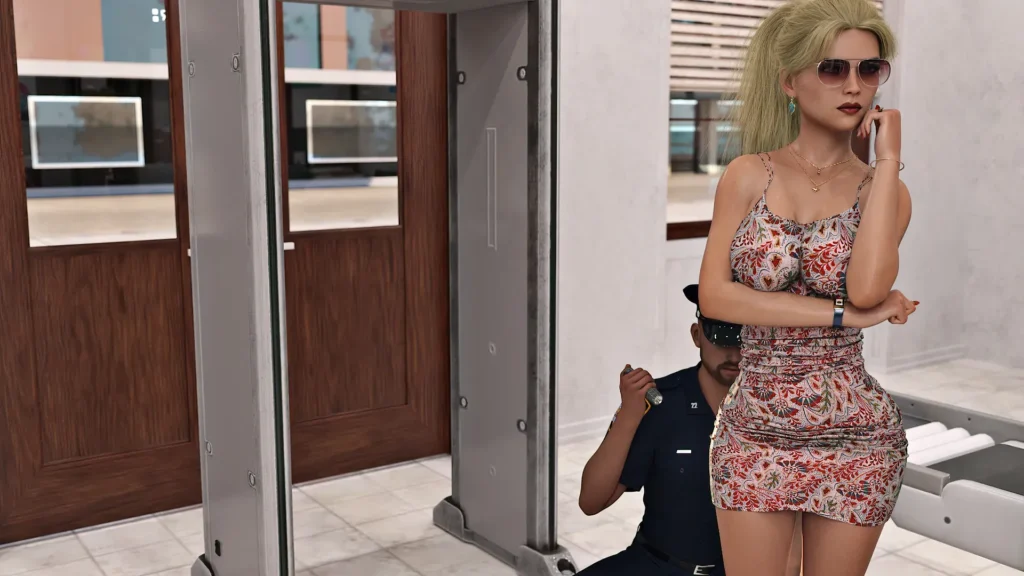









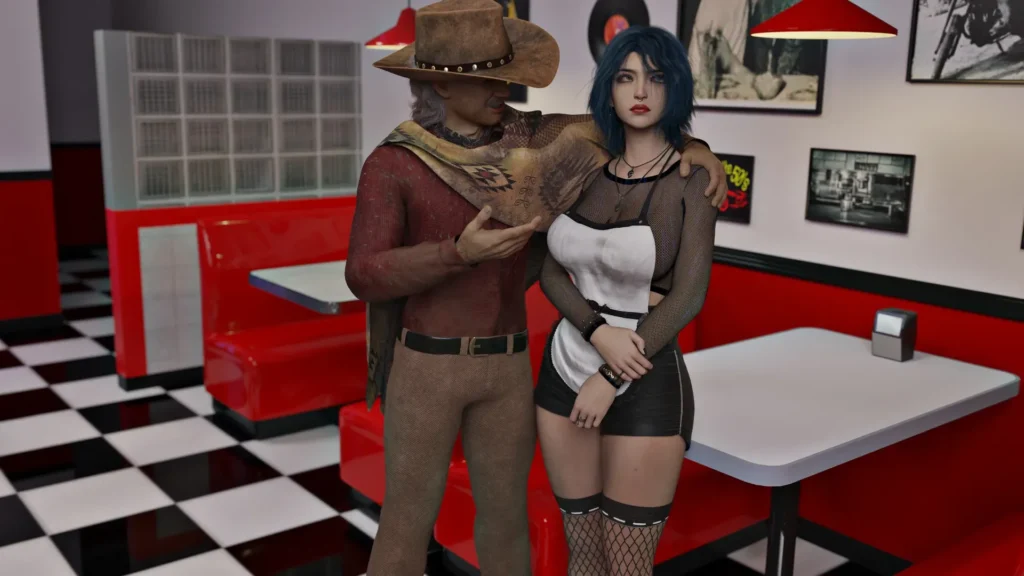




The Restaurant review
Master narrative choices, resource management, and character relationships in this immersive simulation experience
The Restaurant stands out as a uniquely immersive experience that blends management simulation with deeply branching narrative storytelling. Unlike traditional games focused on combat or exploration, this title places you in the worn shoes of a restaurant employee navigating the complex world of customer service, staff relationships, and business operations. The game’s core appeal lies in its meaningful choice system where every decision—from hiring practices to dialogue responses—shapes your story and influences the restaurant’s ecosystem. Whether you’re drawn to strategic resource management, character-driven narratives, or interactive storytelling, The Restaurant offers a compelling experience where your choices genuinely matter and create lasting consequences throughout your playthrough.
Understanding The Restaurant’s Core Gameplay Systems
Ever feel like you’re just spinning plates? 🍽️ You rush to seat customers, scramble to cook orders before they get impatient, and desperately try to keep your tiny staff from burning the place down. When I first booted up The Restaurant, that’s exactly what happened. I was so focused on the immediate chaos that I completely missed the deeper, rewarding systems humming beneath the surface. I was playing reactively, not strategically.
This chapter is your blueprint to stop the madness and start mastering the art of virtual hospitality. We’re diving deep into the engine room of this incredible restaurant management simulation to understand exactly how its parts work together. By the end, you won’t just be putting out fires—you’ll be architecting a five-star dining empire and orchestrating rich character stories, all through smart, deliberate choices. Let’s unlock the core The Restaurant game mechanics together.
How the Management Simulation Works
At its heart, The Restaurant is a brilliant dance between immediate action and long-term planning. Each in-game day is a self-contained puzzle where you balance serving customers, managing your team, and investing in your future. Think of it as a playable time-management strategy game where every second and every yen counts.
The core loop is beautifully simple yet deep:
1. Open for Business: You start your shift. Customers file in, their patience meters ticking down.
2. The Service Sprint: You guide your avatar to take orders, deliver food, and process payments. This is where your direct actions matter most. Faster, more accurate service means happier customers and better payouts.
3. Staff Management: Your waitstaff and chefs work automatically, but they have moods and energy levels. A tired bartender makes slower drinks. A grumpy server might snap at a patron. Keeping an eye on them and intervening at the right moment is a key part of the management simulation.
4. Closing & Investing: After the last customer leaves, you count your earnings—primarily in Shopping Points (SP)—and decide how to spend them. This is where the real game begins.
The magic is in the daily cycle. Your performance today directly funds your capabilities tomorrow. A rough day with low earnings means you can’t afford new recipes or better decor, which might lead to another rough day. But one smart investment can break that cycle, leading to compounding success. This isn’t about grinding the same actions; it’s a gameplay progression guide built on intelligent decision-making. Each day builds upon the last, creating a satisfying sense of growth.
Resource Management and Shopping Points Strategy
If your restaurant is a body, then Shopping Points (SP) are its blood. This special currency is the lifeblood of your progress, and mastering its flow is the single most important resource management strategy you can learn.
Earning SP: It’s All About Quality
You earn SP primarily from serving customers. But here’s the critical twist: how you serve them matters immensely.
* A basic, one-star dish served slowly might net you a pittance.
* That same dish, cooked perfectly with high-quality ingredients and served promptly to a customer seated in a beautifully decorated section of your restaurant, can be worth 5x more.
Your Decoration Points are the secret amplifier here. Investing SP in new tables, plants, art, or lighting doesn’t just make your place look pretty—it directly increases the base value of every transaction in that area. It’s a virtuous cycle: spend SP to raise your Decoration level, which helps you earn more SP from each customer, which lets you decorate even more.
Spending SP: The Strategic Crossroads
Every night, you face the delicious dilemma of how to spend your hard-earned points. Your options are your strategic levers:
* Recipes: New dishes attract new customer types and command higher prices.
* Equipment: Faster ovens, better coffee machines, and larger refrigerators increase efficiency, reducing wait times and allowing you to serve more people per day.
* Decorations: Our Decoration Points guide always starts here. This is your long-term investment for exponential growth.
* Staff Upgrades: Training or new tools for your team can drastically improve their speed and mood.
The golden rule? Always keep a strategic reserve of SP. Why? Because the game’s rich social systems are gated by it. Want to ask a character to hang out after work to deepen your relationship? You’ll typically need 40+ SP just to trigger the option. Hoping to interact with multiple characters or unlock a special scene? Your wallet should have 60-100 SP ready. This elegantly ties your business success to your narrative progress.
Let’s look at how this plays out over a critical first week. The table below shows a sample Shopping Points system progression, assuming strategic decoration investments and a focus on improving dish quality.
| Game Day | Key Actions & SP Investments | Avg. SP per Customer | Daily SP Earned | Cumulative SP (After Spending) |
|---|---|---|---|---|
| Day 1 | Basic service. Buy 1 cheap decor item. | 8-12 | ~1,200 | 200 |
| Day 2 | Unlock 1 new 2-star recipe. Improve one kitchen tool. | 10-15 | ~1,800 | 500 |
| Day 3 | Major decor investment in dining area. | 15-25 | ~3,000 | 800 |
| Day 4 | Unlock a 3-star recipe. First character hangout (40 SP). | 20-30 | ~4,500 | 1,200 |
| Day 5 | Upgrade staff equipment. Buy bar decor. | 25-40 | ~6,500 | 2,000 |
| Day 6 | Unlock a signature 4-star dish. | 35-50 | ~9,000 | 3,500 |
| Day 7 | Premium decor final touch. Multiple character events. | 50-70 | ~12,000+ | 5,000+ |
See that growth? 🚀 It’s not linear; it’s exponential. By Day 7, you’re not just earning more—you’ve transformed your entire operation. This table is the essence of a winning resource management strategy: patient, targeted investments that snowball. You’re not just saving SP; you’re deploying it as a strategic asset to unlock new layers of the game.
The Choice-and-Consequence Mechanic Explained
This is where The Restaurant transcends being a mere management sim and becomes a truly immersive story. Every significant decision you make—from staff disputes to customer complaints to personal conversations—ripples outwards, altering character event triggers and shaping your unique narrative. The game remembers everything.
Your choices are rarely simple “good vs. evil.” They’re nuanced, often forcing you to prioritize between business efficiency, personal relationships, and your own moral code. Let me share a scenario from my own playthrough that perfectly illustrates this.
The Case of the Lazy Bartender: A Practical Example
I had a bartender, Kenji, who was consistently slow. Drinks piled up, customers at the bar got annoyed, and it was bottlenecking my entire service. I had two main choices:
1. Give him a final warning, citing his performance and urging him to improve, which would temporarily lower his mood but give him a chance.
2. Fire him on the spot to immediately solve the efficiency problem and hire someone new.
I chose Option 2. The immediate effect was positive: service speed increased by 20%. But the consequences unfolded over the next week. My head chef, who was friends with Kenji, became withdrawn and her cooking speed slightly decreased. A week later, Kenji showed up as a customer with a new, wealthy crowd, and he openly badmouthed my restaurant to them, causing a group of high-spending patrons to leave. Conversely, my new bartender was a star, and her efficiency eventually made up for the chef’s slowdown.
Had I chosen the warning, I might have triggered a redemption arc for Kenji, potentially gaining a loyal, improved employee and keeping my chef happy. But I would have endured slower service for several more days, impacting my early-game SP earnings. There’s no “right” answer—only the story you choose to create. These character event triggers are woven directly into your management decisions, making the world feel alive and reactive.
This interconnectedness is the genius of The Restaurant game mechanics. Your Shopping Points system success funds your social opportunities. Your resource management strategy determines how quickly you can access new decor and recipes. Your Decoration Points guide your earning potential. And all of it is held together by a choice-driven narrative that makes your restaurant feel like a living, breathing world. You’re not just playing a game; you’re conducting a symphony of systems, where every note—from a purchased painting to a kind word to a staff member—changes the melody of your story. Now, go on and start conducting. Your masterpiece awaits. 👨🍳✨
The Restaurant delivers a distinctive gaming experience by seamlessly blending management simulation with character-driven narrative storytelling. The game’s strength lies in its interconnected systems—where your resource management decisions directly enable deeper story engagement, and your narrative choices influence business outcomes. Success in The Restaurant isn’t about grinding or perfecting mechanics; it’s about understanding how every choice ripples through the game’s living world. Whether you’re drawn to strategic business management, meaningful character relationships, or branching narratives where your decisions create unique stories, The Restaurant offers compelling reasons to explore its contained but richly detailed world. If you appreciate games that respect player agency and create emergent narratives through interconnected systems, this title deserves your attention.