Short Sad Stories
Play Short Sad Stories
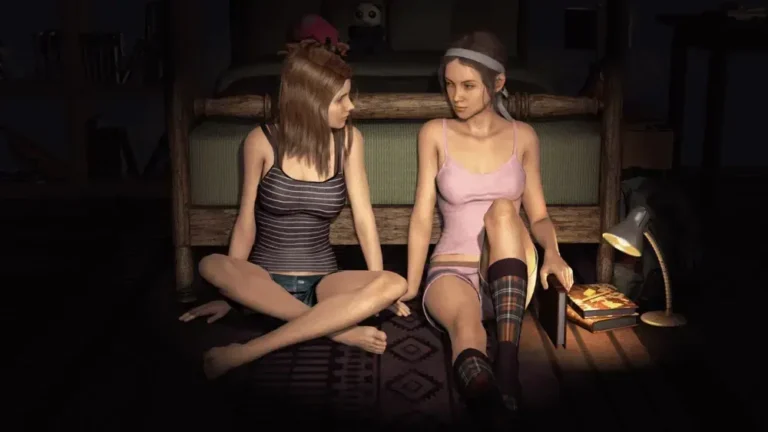
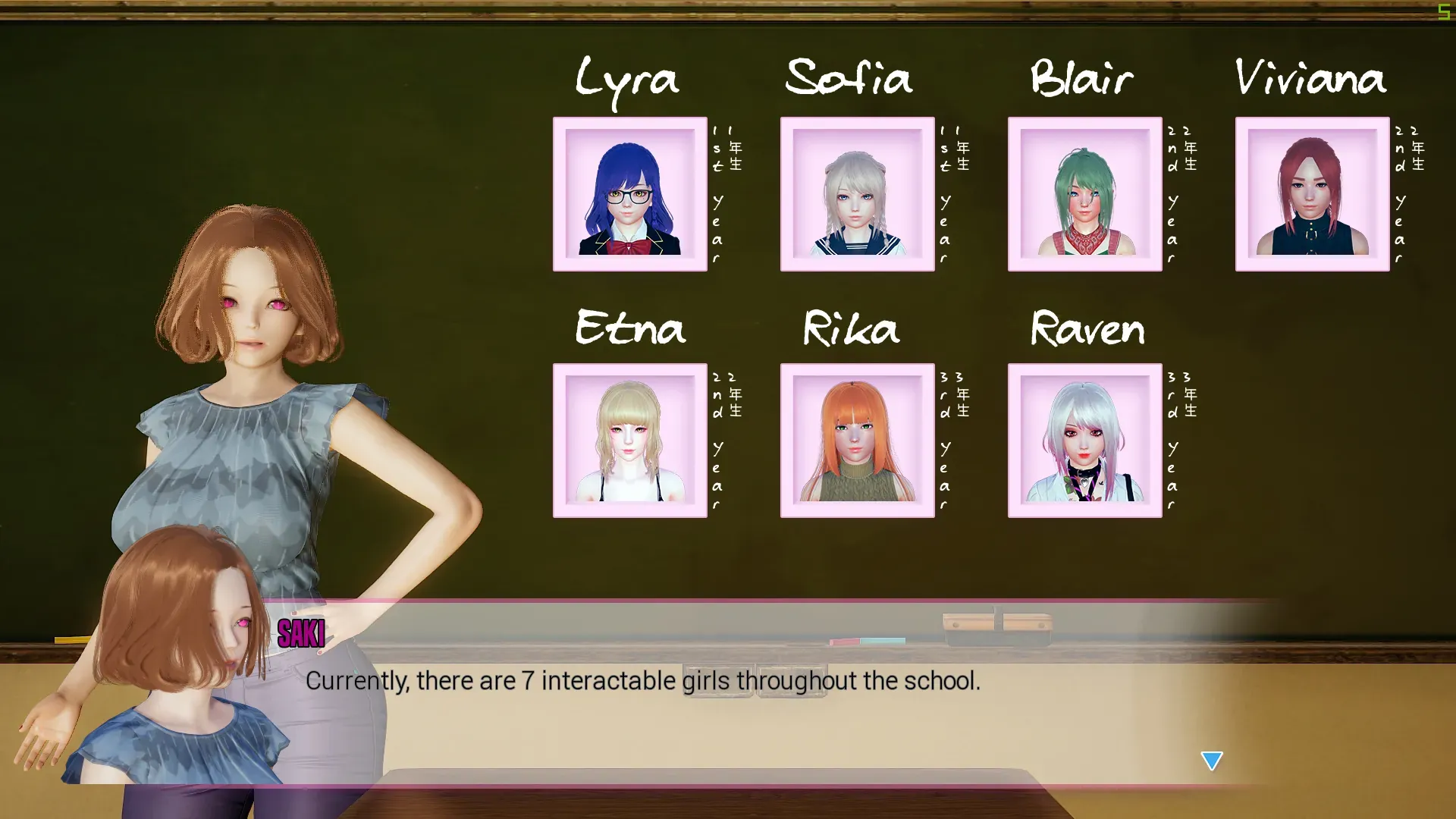
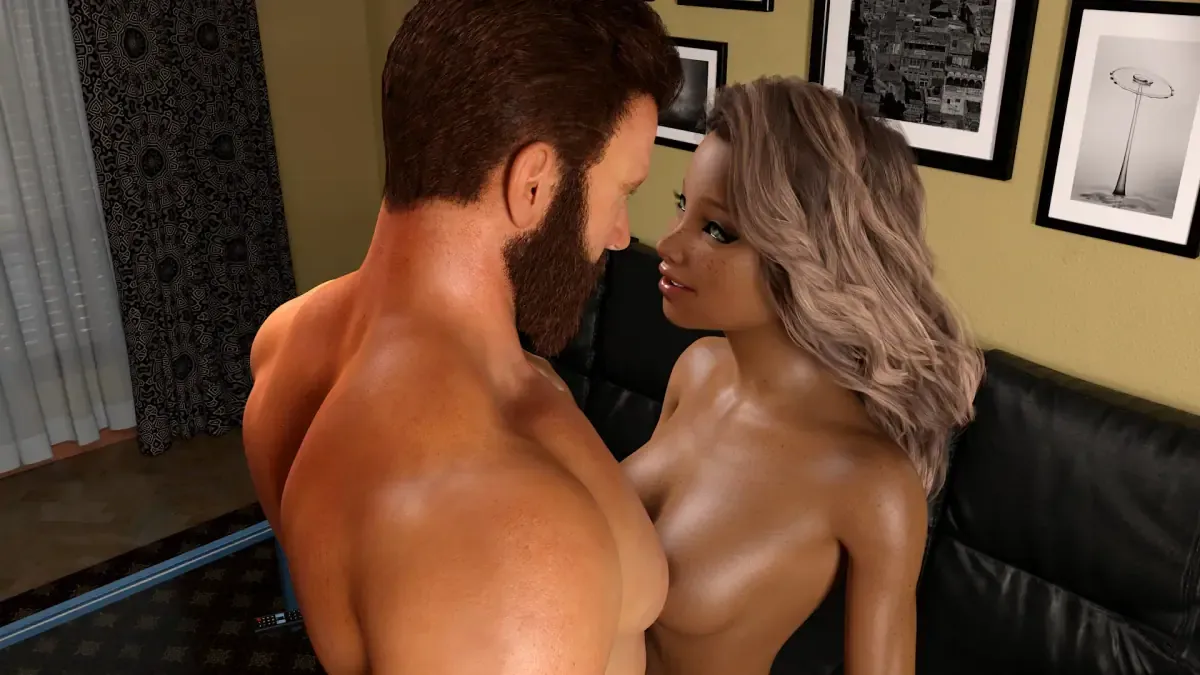
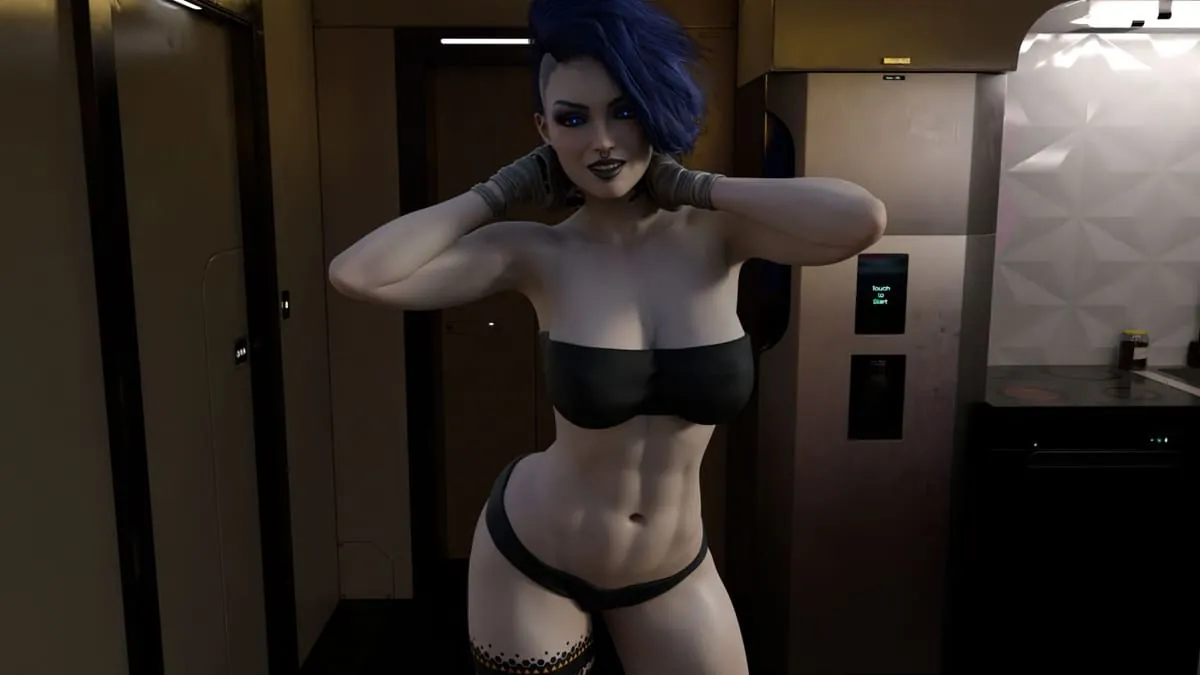
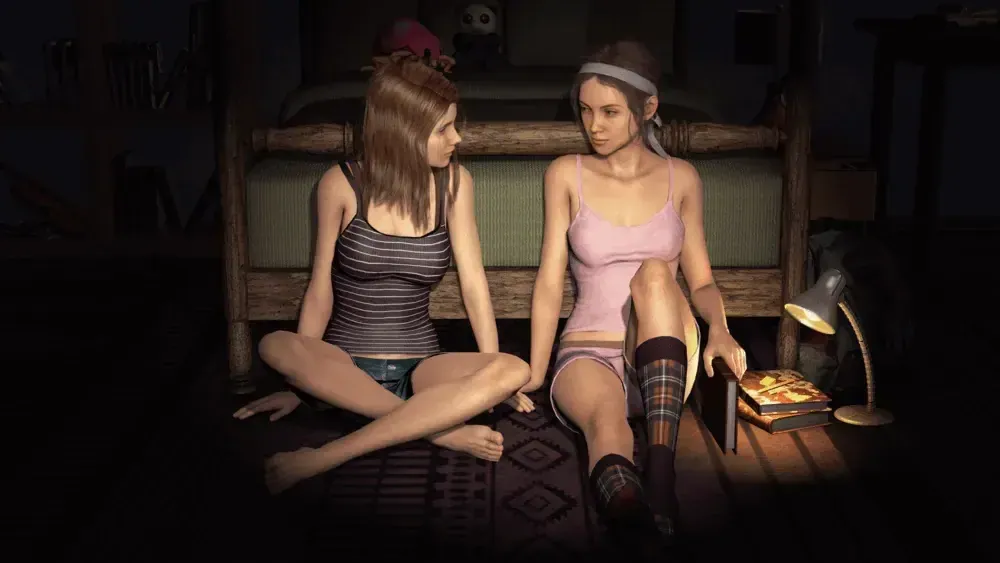
Short Sad Stories Screenshots


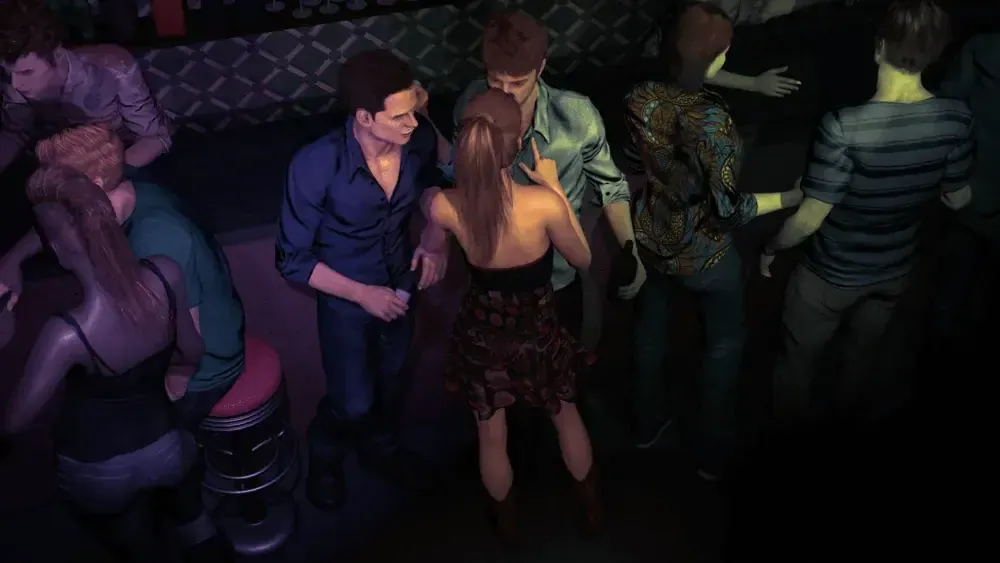
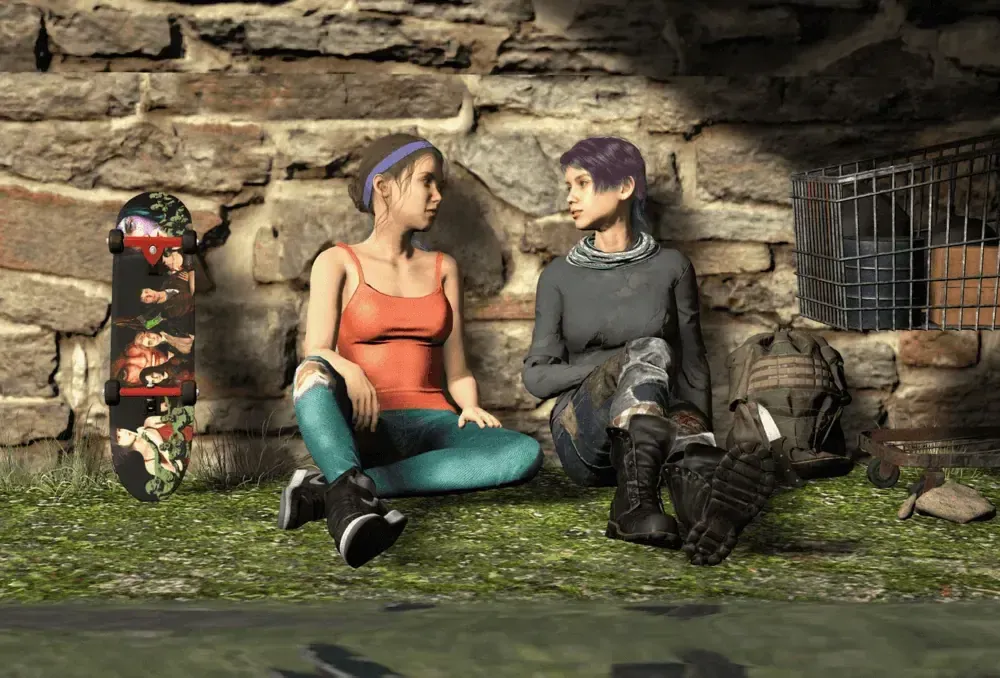
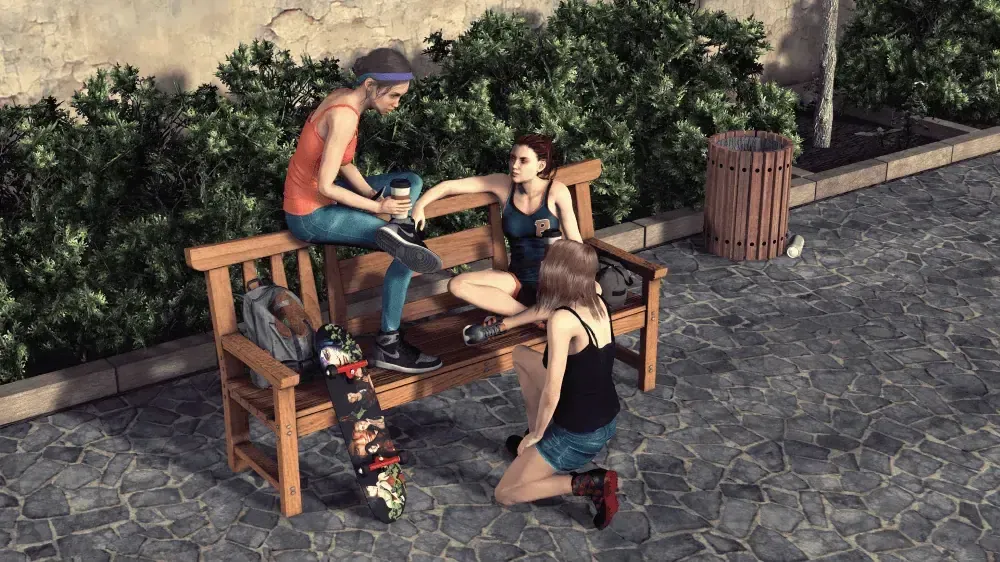
Short Sad Stories review
Dive into heartfelt narratives, choices, and mature twists in this captivating game
Imagine stepping into a world where every choice tugs at your heartstrings in Short Sad Stories, the visual novel that’s blending poignant tales with intimate adult moments. I’ve lost count of the nights I spent replaying scenes, feeling Alice’s dreams clash with harsh reality, all while uncovering steamy encounters that hit just right. This game isn’t just play—it’s an emotional rollercoaster with branching paths leading to mature, passionate outcomes. Whether you’re drawn to the melancholy narratives or the thrilling adult interactions, Short Sad Stories delivers unforgettable depth. Let’s explore why it’s capturing hearts (and more) across platforms.
What Makes Short Sad Stories Gameplay So Addictive?
I still remember my first playthrough of Short Sad Stories 😮. I was just clicking through, trying to be a good friend to the dreamy protagonist, Alice. I made what I thought was a simple, kind choice—encouraging her to hold onto a trinket from her past. Hours later, that tiny decision spiraled into a surprisingly intimate and melancholic scene that left me staring at the screen, completely reevaluating everything I thought I knew about the characters. That’s the magic trick of this game. It doesn’t just tell you a sad story; it makes you an active, often complicit, architect of its heartbreak through its masterful Short Sad Stories gameplay.
This isn’t a passive experience. It’s a branching storylines visual novel where every dialogue option, every item you choose to keep or discard, and every memory you replay isn’t just flavor text. It’s a tangible stitch in the fabric of the narrative. The core of the addiction lies in this profound player agency. You feel the weight of visual novel choices because they don’t lead to obvious “good” or “bad” endings, but to nuanced, emotionally true conclusions about love, loss, and regret.
How Player Choices Shape Heartbreaking Paths
The emotional game mechanics here are deceptively simple yet incredibly deep. 🎭 The game often presents you with quiet, mundane decisions that later resonate with thunderous emotional consequences. A major theme is the management of memory. You’ll be given direct control: do you replay a happy moment to soothe a character, or do you force them to sit with a painful one to provoke growth? Do you let Alice cling to a physical object from a lost relationship, or do you suggest she finally let it go?
I learned this the hard way. In one path, I constantly steered Alice toward revisiting old joys, trying to shield her from pain. The result? She became trapped in a fantasy, unable to engage with the real people in her present, leading to a profoundly lonely ending. In another playthrough, I was brutally forward about discarding the past. This didn’t make her stronger; it severed her emotional roots, leading to a different kind of isolation. This is the essence of how choices shape Short Sad Stories. They guide characters toward either painful catharsis or deeper, more entrenched regret.
The game brilliantly structures these branching storylines around core emotional themes. Here’s a look at how your choices direct the narrative:
| Theme | Primary Mechanic | Emotional Impact |
|---|---|---|
| Loss & Letting Go | Choosing to keep or discard symbolic items, replaying final memories. | Catharsis and release, or the hollow peace of avoidance. |
| Regret & Missed Chances | Dialogue choices that either confront or ignore past mistakes. | Bitter self-awareness, or the perpetuation of the same cycles. |
| Quiet Loneliness | Decisions to engage with other characters or retreat into solitude. | Finding connection in shared pain, or the ache of chosen isolation. |
My practical advice? Save often, and in different slots! 🔄 The true richness of the Short Sad Stories gameplay is revealed across multiple playthroughs. You’ll see how a line of dialogue changes completely based on a choice you made two chapters earlier. It’s a powerful reminder that our personal histories color every present interaction.
Exploring Alice’s Dreamy World and Key Characters
At the center of this emotional maze is Alice, the quintessential Alice Short Sad Stories protagonist. She’s not just a vessel for the player; she’s a fully realized young adult, caught between the comforting haze of her dreams and the sharp edges of reality. Your choices directly shape her journey, determining whether she uses her imagination as a bridge to connect with others or as a wall to hide behind.
But the world of Short Sad Stories characters extends far beyond Alice. The cast is a tapestry of interconnected young adults, each grappling with their own dilemmas. There’s the shadowy friend whose loyalty is tested by their own secret pain. There’s the returning hero, a figure from the past whose reappearance forces everyone to confront what they’ve become. You’ll navigate their stories, and your choices in their subplots will ripple back to affect Alice’s core narrative.
In one of my playthroughs, I focused heavily on reconciling two estranged side characters. To my amazement, this investment paid off later in a pivotal scene for Alice. Because they had found peace, they were able to offer her genuine support she otherwise wouldn’t have received. It was a stunning example of the game’s interconnected design—no story exists in a vacuum, and no kindness (or slight) is ever forgotten in its branching storylines.
Mature Scenes That Deepen the Emotional Pull
Now, let’s talk about the mature content, because it’s handled with a narrative care that’s rare in games. 🫂 These aren’t gratuitous insertions; they are the culmination of specific emotional and relational pathways. The game builds subtly toward these moments—a growing intimacy, a shared vulnerability, a desperate need for connection that can’t be expressed in words.
Remember my first anecdote about the trinket? That choice slowly built trust and unlocked a path where a character, feeling truly seen and safe, initiated a moment of physical intimacy. It felt earned and poignant, not sensational. The game includes various mature scenarios, including intimate group encounters and moments of oral and anal intimacy, but they are always framed by character motivation and emotional state. They are about power dynamics, surrender, comfort, or the tragic attempt to feel something through physical connection.
In a particularly heartbreaking case study, I saw how choosing aggressive, confrontational dialogue early on led a character down a path of self-destruction. Their later mature scenes were then framed by aggression and a desire for control. In contrast, a path built on patient support led to scenes of tenderness and mutual solace with the same character. The emotional game mechanics ensure the tone of these moments is a direct reflection of your narrative choices.
This is why the Short Sad Stories gameplay loop is so addictive. It’s a deeply personal laboratory of human emotion. The visual novel choices grant you real authorship, making you responsible for the joy and the ruin. You’re not just watching a story about regret; you’re actively creating the memories these characters will someday regret. That interactive burden—the beautiful, heartbreaking power to shape these Short Sad Stories characters’ lives—forges a connection between player and pixel that is unforgettable and keeps you coming back to explore every possible heartache.
Tip: Don’t rush. Let the atmosphere sink in. The most important choice is sometimes to just sit silently with a character, sharing the weight of a moment.
FAQ
What is the main plot of Short Sad Stories?
The game follows Alice and a circle of young adults as they navigate the blurred lines between reality and fantasy, dealing with past traumas, present regrets, and the daunting task of building a future. The plot is deeply personalized by your choices, focusing on emotional truth over a single fixed narrative.
How long does it take to complete?
A single, linear playthrough takes roughly 3-4 hours. However, to experience the full scope of the branching storylines and unlock all major endings and character arcs, you should expect to invest 12-15 hours across multiple replays.
Are there multiple endings?
Absolutely. There are several major endings, along with numerous variations and character-specific conclusions. The visual novel choices you make throughout the game determine which core themes—like catharsis, loneliness, or stagnation—define the finale for Alice and her friends.
Short Sad Stories lingers long after the credits roll, with its mix of tear-jerking tales and steamy adult twists leaving you reflective and craving more playthroughs. From Alice’s tangled dreams to those pivotal choices shaping intimate bonds, it’s a game that transforms passive reading into personal catharsis. I still think back to my favorite ending, where hope flickered amid the melancholy—it felt real, raw, and rewarding. If you’re ready for narratives that hit deep while sparking desire, fire it up today. Grab the final version with DLC, make those bold decisions, and let the stories unfold. Your next emotional adventure awaits—what path will you choose?