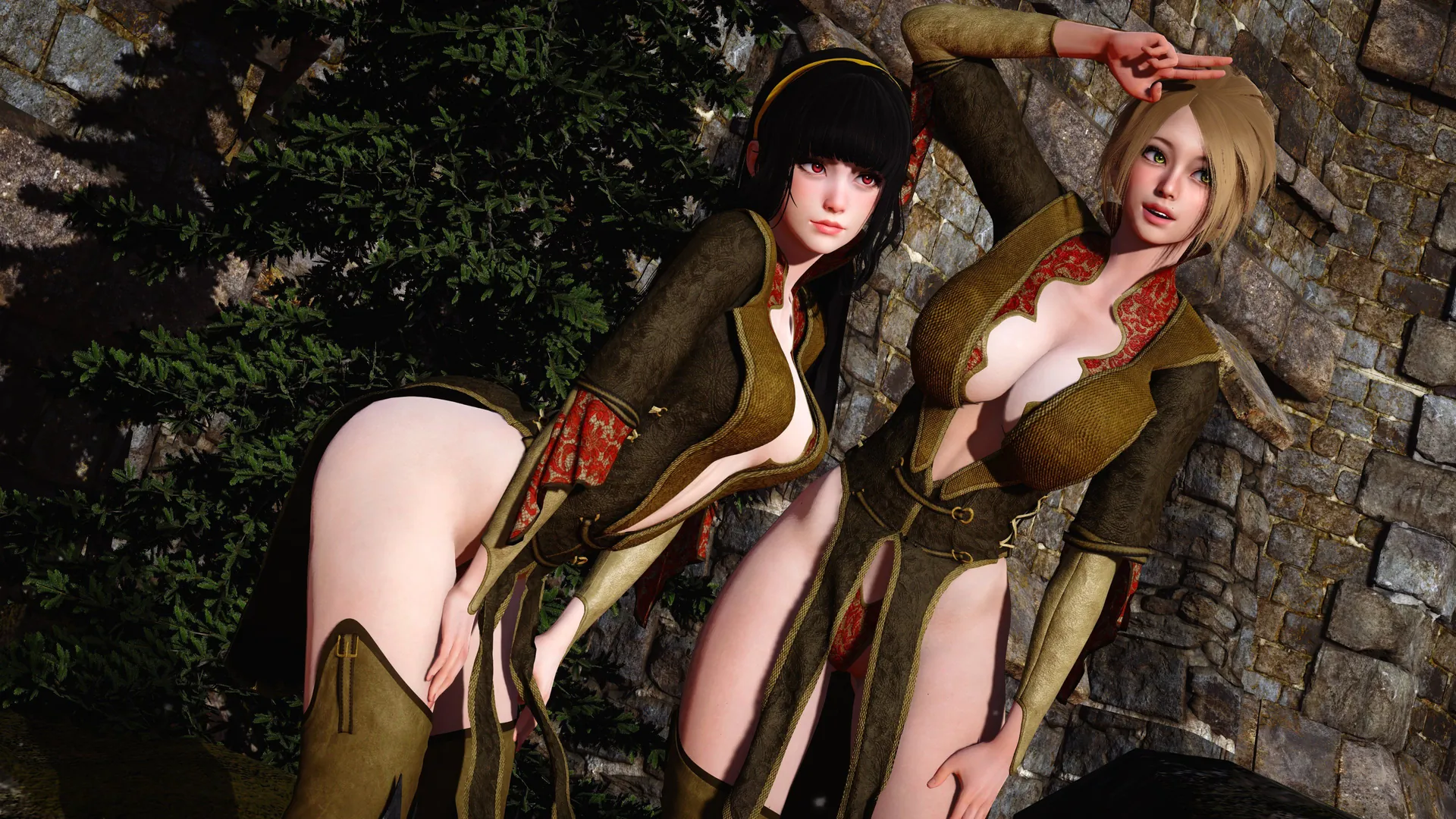
Meeting
Play Meeting
Meeting Screenshots






Meeting review
Explore gameplay mechanics, character interactions, and tactical combat in this innovative title
Meeting stands out as a groundbreaking entry in the strategy RPG landscape, combining tactical combat with deep character-driven narratives set in a expansive sci-fi universe. This innovative title merges light tactical gameplay with SHMUP elements, creating a hybrid experience that appeals to both strategy enthusiasts and action-oriented players. Whether you’re interested in understanding the core mechanics, exploring character relationships, or mastering combat strategies, this guide provides everything you need to know about Meeting’s distinctive approach to interactive entertainment. Discover what makes this game a landmark release in modern gaming.
Understanding Meeting’s Core Gameplay and Design Philosophy
Let’s be honest, the strategy RPG genre can sometimes feel… comfortable. You know the drill: move units on a grid, manage turn orders, exploit elemental weaknesses. It’s a fantastic formula, but after a while, you start craving something that breaks the mold. 🤔 That’s exactly where Meeting crashes onto the scene, not just with a new story, but with a completely fresh hybrid genre gaming experience.
This isn’t just another sci-fi tactical romp. Meeting performs a brilliant surgical graft, stitching the thoughtful, deliberate brain of a tactical RPG gameplay mechanics specialist onto the twitchy, adrenaline-fueled heart of a SHMUP combat systems ace. The result? A game where your strategic oversight is tested in real-time action, and your bonds with your crew are as vital to survival as your trigger finger. 🚀 This chapter is your deep dive into the design genius that makes this fusion not just work, but sing.
What Makes Meeting Different: Blending Genres and Storytelling
So, what’s the big deal? Why is Meeting causing such a stir? It all comes down to a fearless design philosophy that rejects “or” in favor of “and.” Most games ask you to be a commander or a pilot. Meeting demands you be both, simultaneously. Its sci-fi strategy game design is built on a foundation of hybridization.
Think about the last great character-driven narrative games you played. The story probably happened between battles, right? In Meeting, the narrative is the gameplay, and the gameplay fuels the narrative. Your decisions in conversation directly alter the battlefield, and your performance in combat opens up new story threads. This seamless loop is the core of its interactive storytelling in games approach.
Here are the key gameplay features that immediately set Meeting apart from the strategy RPG pack:
- Real-Time Tactical Execution: You issue commands, set formations, and activate abilities not in a turn-based vacuum, but as the chaos of a SHMUP combat systems unfolds around you. Positioning your squad to create crossfires while dodging enemy barrages yourself creates a thrilling, unique tension.
- Dialogue-as-Strategy: Conversations with your crew aren’t just for lore. Choosing supportive, demanding, or analytical responses can unlock permanent stat bonuses, unique combat abilities, or even alter mission parameters before you launch. This is character dialogue choices impact gameplay in its purest form.
- The Dual-Layer Protagonist: You are both the ship’s captain, making macro strategic choices and managing relationships, and the squadron’s ace pilot, executing those plans in white-knuckle action sequences. This dual role is baked into every system.
- Relationship Synergy Buffs: The closer you grow to a crewmate through dialogue and shared missions, the more powerful synergy bonuses you unlock when fighting near them in combat. Your social strategy directly powers your combat effectiveness.
By launching on Steam, the developers ensured this niche-but-ambitious title could find its audience directly. This platform choice reflects a modern sci-fi strategy game design ethos: build a passionate community, gather direct feedback, and deliver a polished experience without the compromise that sometimes comes with broader distribution. The commitment to quality is evident—this is a game that proves a focused vision and smart resource allocation can yield visuals and gameplay that punch far above their weight class. 💥
Tactical RPG Mechanics Meet Action-Oriented Combat
Let’s peel back the layers on Meeting’s most audacious blend. At first glance, the tactical RPG gameplay mechanics seem familiar. You have a roster of unique characters, each with a class, skill trees, and equipment. You manage resources, plan engagements, and target enemy weaknesses. The spreadsheet lover in you will feel right at home. 📊
But then the mission starts, and the perspective shifts. You’re in the cockpit. Enemy fighters swarm like angry bees, and capital ships fill the screen with deadly laser grids. This is where the SHMUP combat systems take over, demanding reflexes, spatial awareness, and pattern recognition. The genius is in the connection: your pre-mission tactics dictate the tools and positioning you have in this moment.
For instance, you might have assigned your engineer, Kael, to prioritize shield modulation. In the tactical RPG gameplay mechanics layer, this gave your squad a passive bonus to energy defense. In the SHMUP combat systems layer, this translates to a powerful, on-demand shield-overload ability you can trigger when surrounded. Your strategic choice created a tactical action.
| Traditional Tactical RPG Mechanic | Meeting’s Hybrid Interpretation |
|---|---|
| Turn-Based Movement on a Grid | Real-Time Formation Positioning & Environmental Use |
| Action Points for Abilities | Cooldown-Based Systems & “Heat” Management for Ship Systems |
| Static “Hit Chance” Percentages | Player-Skill Influenced Aiming & Leading Shots |
| Party-Wide “Initiative” Stat | Individual Pilot “Response Time” Affecting Ability Activation Speed |
This fusion creates a phenomenal risk/reward dynamic. Do you focus your own piloting on dealing damage, leaving your squad to their own devices? Or do you hang back, using your ship’s command functions to orchestrate their attacks more effectively, even if it means lower personal score? This constant, meaningful choice is the heartbeat of Meeting’s combat. It’s a masterclass in sci-fi strategy game design that respects both the thinker and the doer in every player.
Character-Driven Narrative as Central Gameplay Element
Many games have great stories. Some even have great stories that change based on your choices. Meeting goes a step further: it makes the relationships themselves a primary gameplay resource. This isn’t a side activity; it’s core to your progression. The game firmly plants its flag in the realm of character-driven narrative games, but with a crucial twist—the narrative drives your power.
Every character on your ship is a bundle of stats, yes, but more importantly, they are a perspective, a history, and a set of convictions. Getting to know them isn’t optional flavor text; it’s how you unlock their full potential. When the stoic weapons officer, Vex, trusts you enough to share her past with a rival faction, that conversation might unlock the “Vendetta Protocol” ability, letting her deal massive damage to that faction’s ships. This is character dialogue choices impact gameplay in a tangible, system-driven way.
The interactive storytelling in games here is deeply woven into the loop. A mission might go poorly because two crew members argued before launch, resulting in a coordination penalty. You then have to decide how to mediate that conflict in the aftermath: side with one, try to placate both, or impose a captain’s order to force cooperation. Each choice leads to different buffs, debuffs, or even changing the missions available to you.
Pro Tip: Don’t just pick dialogue choices you think are “right.” Think like a commander. Need to breach a heavily fortified station next? Maybe cozy up to your cynical hacker to get better intrusion tools. Facing a fleet of agile fighters? Bond with your rookie pilot to improve her evasion stats. Your social strategy is your meta-strategy.
Let’s look at a real gameplay scenario. You’re preparing for a mission to disable a rogue battleship. In the briefing room, you have three key interactions:
- With your Chief Engineer: He recommends a stealth approach, using an EMP burst. If you support his plan (dialogue choice), he’ll work overtime to modify your ship’s systems, granting you a temporary “Silent Running” module for the mission, making the initial approach easier.
- With your Head of Security: She advocates for a direct assault on the bridge. Agreeing with her (another character dialogue choices impact gameplay moment) fires up the marine squad, giving all your allied fighter craft a +15% damage bonus for the first engagement.
- During the Mission: Because you supported the Engineer, you have the stealth module. You use it to bypass the outer patrols (sci-fi strategy game design in action). However, the Security Chief’s bonus means when you are discovered, your squad tears through the first wave of responders quickly. Your pre-mission conversations literally shaped the battlefield.
This is the cohesive experience Meeting offers. Your tactical brain is engaged in the mess hall just as much as it is in the asteroid field. The lines between story and strategy, between conversation and combat, are beautifully blurred. This commitment to interactive storytelling in games and deep tactical RPG gameplay mechanics creates a level of player agency that is rare and exhilarating. You aren’t just watching a story unfold or optimizing a spreadsheet; you are truly commanding every aspect of your journey, from a whispered confidence in a corridor to a volley of missiles in the dark of space. It’s this bold, unified vision that makes Meeting not just a game to play, but a world to inhabit and influence. 🌌
Meeting represents a significant evolution in strategy RPG design, successfully merging tactical combat with meaningful character interactions within a richly detailed sci-fi universe. The game’s innovative approach to blending multiple genres demonstrates how developers can create engaging experiences by prioritizing both gameplay depth and narrative investment. By combining SHMUP mechanics with traditional tactical RPG elements and character-driven storytelling, Meeting offers players a multifaceted gaming experience that appeals to diverse player preferences. Whether you’re drawn to strategic combat, compelling character relationships, or immersive sci-fi world-building, Meeting delivers a comprehensive package that justifies its position as a landmark title in modern gaming. Explore the game’s mechanics, engage with its diverse cast of characters, and discover why Meeting has captured the imagination of players worldwide.