
How to Fix the Future
Play How to Fix the Future
How to Fix the Future Screenshots


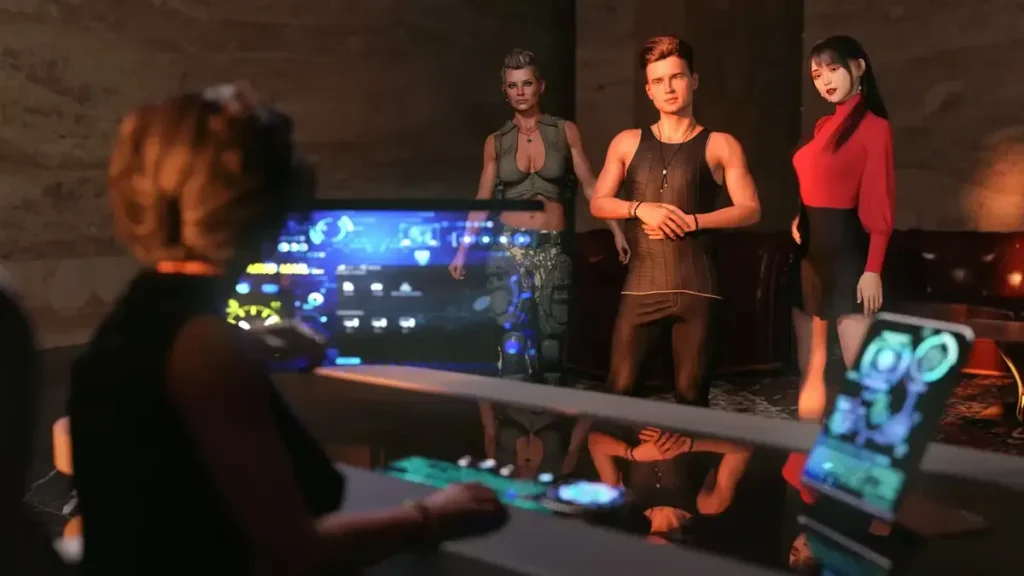













How to Fix the Future review
A practical, player-focused guide to mastering How to Fix the Future
How to Fix the Future is a narrative-driven visual novel-style game with branching choices and multiple endings; this guide shows you how to navigate its mechanics, story decisions, and secrets to achieve the outcomes you want. In the paragraphs that follow I’ll share hands-on tips, choice-by-choice walkthroughs for major branches, and fixes for common issues I encountered while playing. I started as a cautious first-time player and learned how small decisions compound into very different endings, so I’ll include personal anecdotes and practical steps to help you finish with the ending you want.
Understanding How to Fix the Future: Core Systems and Mechanics
Welcome, future-fixer! 👋 Before you jump in and start rewriting history (or at least, your character’s story), it’s crucial to understand the machine you’re operating. How to Fix the Future gameplay isn’t about reflexes or quick saves; it’s a thoughtful, narrative-driven experience where your words are your most powerful tool. Think of this chapter as your orientation manual. We’re going to break down exactly what kind of game this is and how its internal systems tick, so you can play with confidence—and avoid accidentally causing a time paradox before lunch. 🕰️
What kind of game is How to Fix the Future?
At its heart, How to Fix the Future is a branching narrative visual novel with a strong focus on character relationships and consequential decision-making. If you’re expecting fast-paced action, you won’t find it here. Instead, you’ll be immersed in a richly written story where your primary interactions are reading, making choices, and managing your connections with a cast of complex characters.
The tone is a unique blend of near-future sci-fi and intimate drama. You might be debating the ethics of a new AI in one scene, and navigating a tense, personal conflict with a friend in the next. The pacing is deliberate, allowing you to soak in the atmosphere and really think about your next move. I remember when I first started playing, I expected something more… flashy. What I got was a deeply engaging story where a quiet conversation over coffee could feel as weighty as disarming a bomb. That’s the magic of this How to Fix the Future gameplay loop: the stakes are always personal, and the consequences are always meaningful.
In terms of interactivity, you’re the author of your own path. The game presents you with dialogue options, action choices, and sometimes silent moments where you must decide what your character is thinking or observing. These choices are the engine of the entire experience, shaping not only the plot but also how every character perceives you.
Key systems: choices, affinity, and inventory
Now, let’s pop the hood and look at the core How to Fix the Future mechanics. Three primary systems govern your journey: the branching narrative, the hidden affinity meters, and your situational inventory.
The Branching Narrative & Choice Tracking
Every choice you make, big or small, is logged on an invisible flowchart behind the scenes. The game doesn’t just track your major plot decisions; it remembers the small kindnesses, the sarcastic remarks, and even the topics you show interest in. This creates a truly personalized story.
For example, in my first playthrough, I chose to help a minor character, Leo, fix his broken data-drive early in Chapter 2. It seemed like a minor, time-consuming errand. I almost skipped it! But because of that choice, much later in the story, when I was in a desperate situation with my main mission, Leo appeared unexpectedly with crucial information that unlocked a whole peaceful resolution route I never knew existed. That one early, seemingly insignificant decision had quietly unlocked a major scene hours later. This is the power of the branching choices guide you’re creating with every click.
The Hidden Affinity Meters (Affection & Hostility)
This is where things get juicy. Nearly every main character has a hidden affinity meter How to Fix the Future uses to gauge their relationship with you. Think of it not as a simple “like/dislike” bar, but as a complex mix of trust, respect, suspicion, and camaraderie. Your choices directly raise or lower these values.
🔄 Affinity isn’t always about being nice. Sometimes, agreeing with a character’s dangerous plan might raise their affinity because you “understand” them, even if it’s a bad idea. Conversely, challenging them on a deeply held belief might lower their affinity in the short term, but earn their long-term respect. The game rarely shows you these numbers, so you have to pay attention to dialogue shifts, character expressions, and how they act in future scenes. It’s a constant, rewarding puzzle.
Your Inventory & Resource Systems
You won’t be collecting health potions or ammo. Your “inventory” consists of key items, information, and social capital. You might find a confidential report, receive a gift from a character, or unlock a memory. These items often become crucial for specific dialogue options or skill checks later on. Always check your inventory before a big meeting or confrontation—that old news article you filed away might be the perfect piece of evidence to win an argument.
🎯 Pro Tip: The game features subtle skill checks tied to your narrative path. If you’ve consistently shown technical knowledge, you may get a unique option to hack a terminal. If you’ve built a reputation for diplomacy, you might unlock a peaceful negotiation route others won’t see. Your playstyle literally opens and closes doors.
Here’s a quick-reference list of the core systems you need to master:
* Choices: The primary driver. Every option shapes the story’s invisible flowchart.
* Affinity: Hidden meters for each character that change based on your actions and words.
* Inventory: Key story items and information that unlock future options.
* Time: The story advances through clear chapters and in-game days, creating urgency.
To visualize how affinity works with different character archetypes, consider this breakdown:
| Character Type | What Raises Affinity | What Lowers Affinity | Key Consequence |
|---|---|---|---|
| The Idealist (e.g., Maya) | Supporting collective action, showing empathy for others. | Choosing cynical or solely profit-driven options. | High affinity can unlock community support and warning of dangers. |
| The Pragmatist (e.g., Kaito) | Presenting logical plans, securing tangible resources. | Acting on pure emotion without a backup plan. | High affinity provides access to tech, funds, and crucial data. |
| The Skeptic (e.g., Ren) | Questioning authority, proving your independence. | Blindly trusting corporate or official narratives. | High affinity leads to shared secrets and alternative routes. |
How time and consequences work in the game
Understanding the flow of time is essential for a good How to Fix the Future save strategy. The game progresses through a set structure of Chapters and Days. You might have “Chapter 3: The Proposal” which takes place over “Days 14-17.” This isn’t a free-roam calendar; when you reach the end of a narrative segment, time will jump forward.
This structure creates points of no return. Once you finish a day or chapter, the choices you made within it are locked in. The game autosaves at these junctions. This is why your save strategy is so important! I highly recommend maintaining at least three manual save slots, rotating them at the start of each new major story segment. This way, if you discover a choice had catastrophic consequences three chapters later, you don’t have to replay the entire game.
Irreversible Consequences are a hallmark of this visual novel mechanics walkthrough. A choice to betray a character’s trust might permanently close their route. A decision to destroy a piece of evidence can’t be undone. This gives weight to every decision. The game wants you to live with your choices, but it also encourages exploration through its save system.
🎮 Accessibility & Control: The game is very respectful of your time and preferences. You can adjust text speed, enable auto-advance, and most importantly, use the “Skip Read Text” function to fast-forward through dialogue you’ve already seen on a replay. This is a lifesaver when you’re exploring different branches after your first playthrough.
Finally, let’s talk about pitfalls. Some choices are more dangerous than others. Here are a few red-flag choices that commonly lead to premature bad endings or dead ends, and why they’re so tricky:
| Red Flag Choice Context | Why It’s Dangerous | Better Alternative (If You Want to Progress) |
|---|---|---|
| Agreeing to a “get rich quick” scheme from an untrustworthy character early on. | It often tags your character as gullible and greedy, making key allies distrust you and locking you out of their help later. | Politely decline or investigate the scheme further before committing. |
| Consistently ignoring a core character’s personal problems to focus only on the “main mission.” | It will tank your affinity with them. In many routes, you will eventually need their specific help, and if they dislike you, they’ll refuse. | Spend at least some time on character-driven scenes. They’re not side quests; they’re main quest preparation. |
| Publicly humiliating or violently confronting a rival without evidence. | This can destroy your reputation in one fell swoop, turning neutral parties against you and creating an unrecoverable “game over” state where no one will work with you. | Bide your time, gather proof, and confront them privately or through proper channels. |
Mastering How to Fix the Future gameplay is about embracing this interconnected web of choice, affinity, and consequence. There’s no “right” way to play, only your way. Pay attention, think about who you want to be in this world, and don’t be afraid to save often and explore the beautiful, heartbreaking, and thrilling branches you didn’t take the first time. Your future is waiting to be fixed. 🔧✨
This guide arms you with the knowledge to navigate How to Fix the Future: from core mechanics and major endings to practical fixes and advanced replay strategies. Use the chapter walkthroughs and save strategies I shared to explore alternate routes confidently; if you hit a snag, follow the troubleshooting steps or use the quick-reference table to pivot. Now pick a path, back up your saves, and dive in—then come back to compare outcomes and refine your approach.