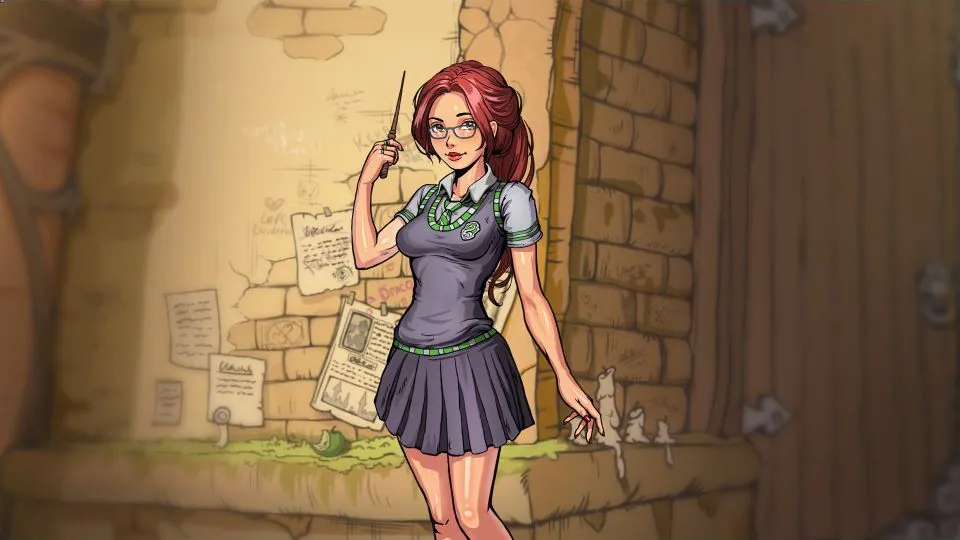
Homelander
Play Homelander
Homelander Screenshots
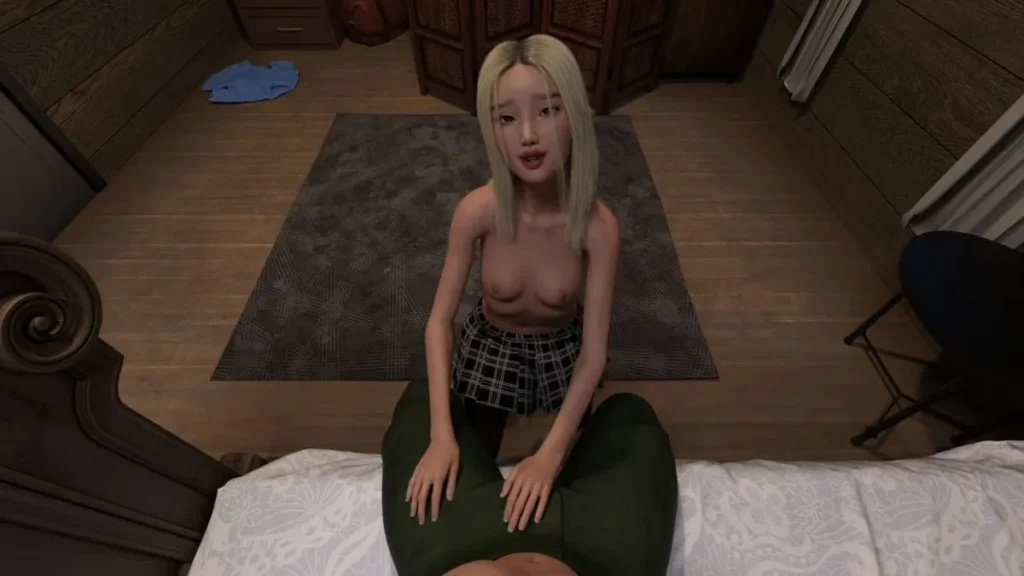



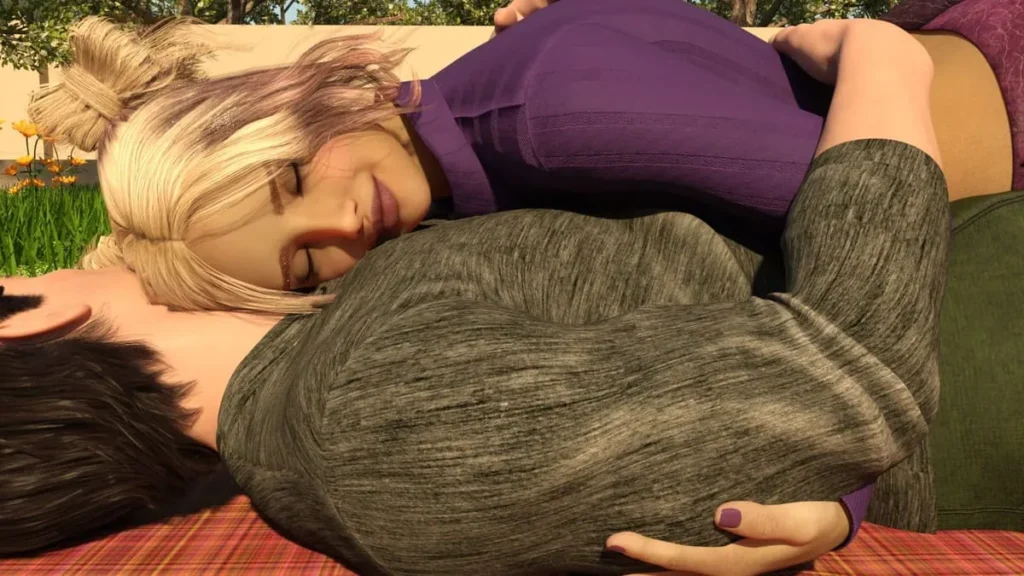
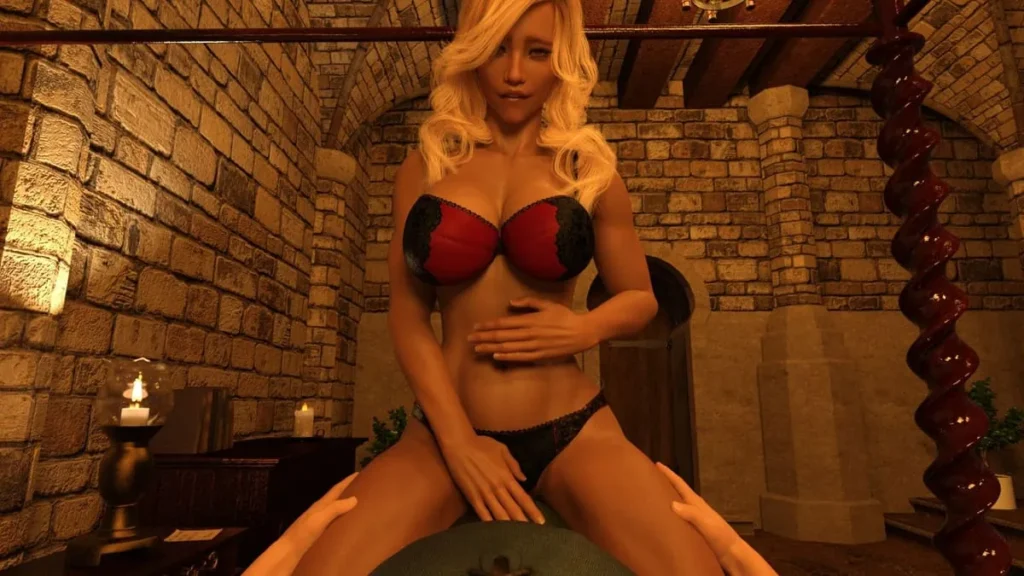

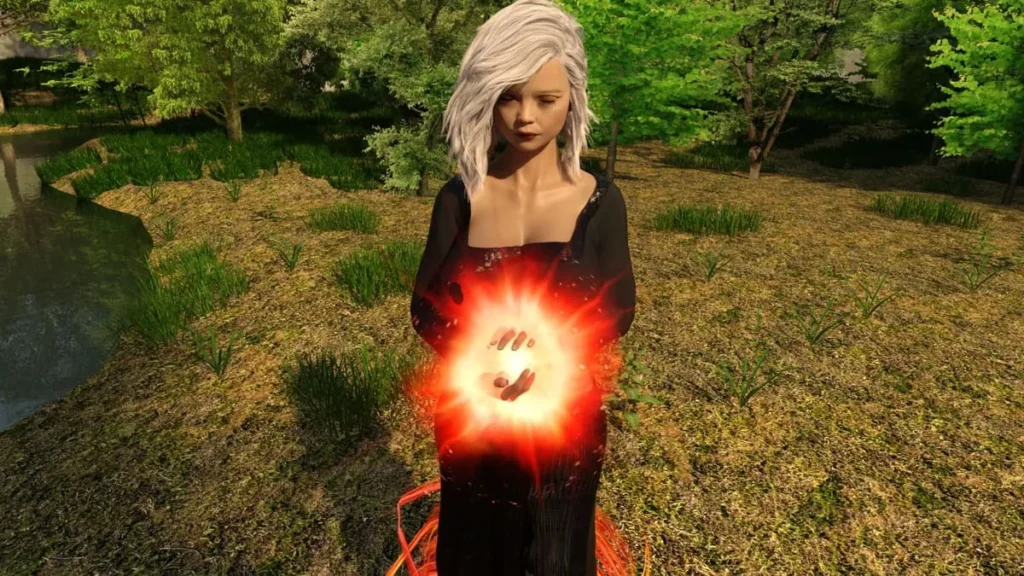

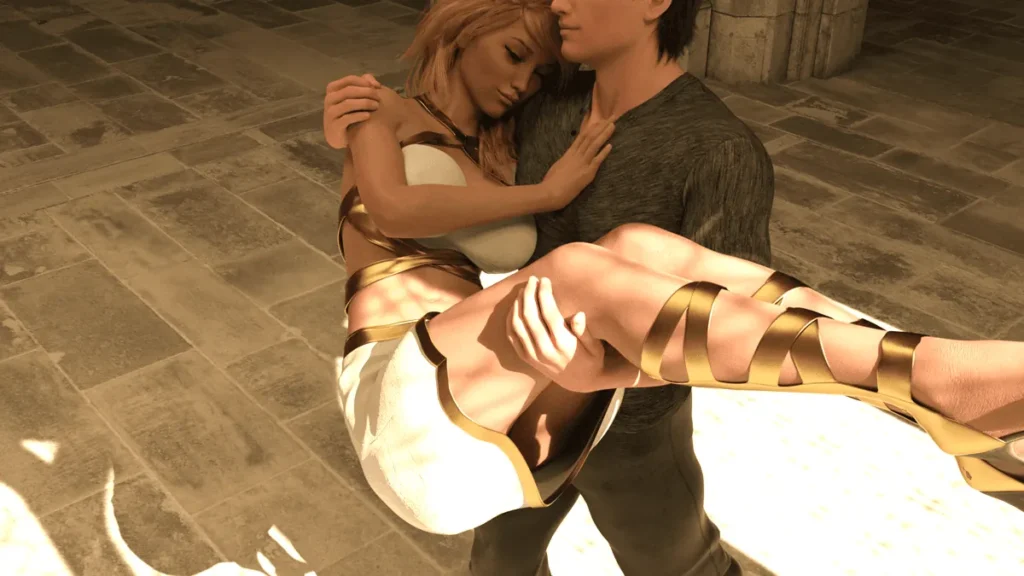
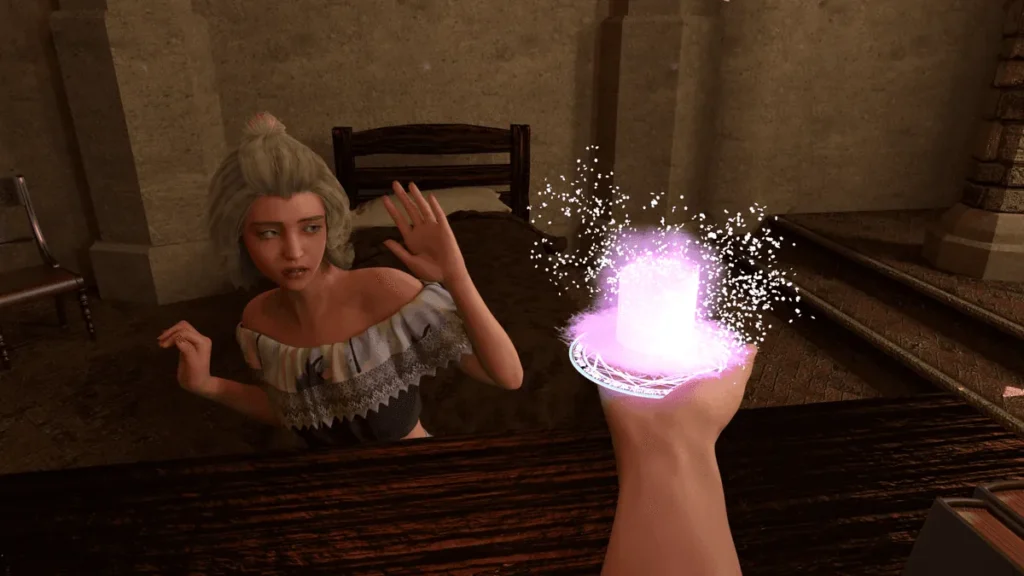
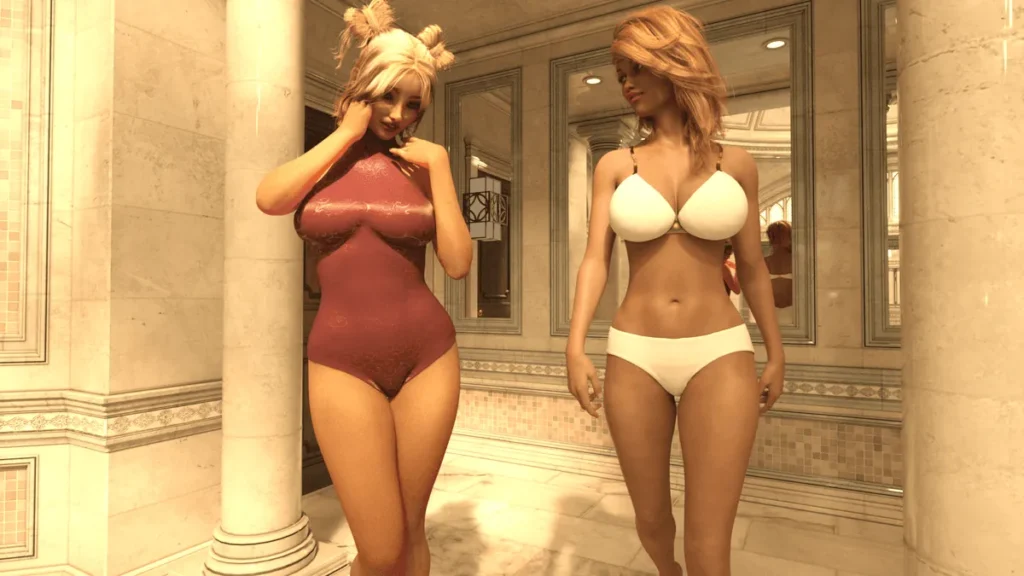
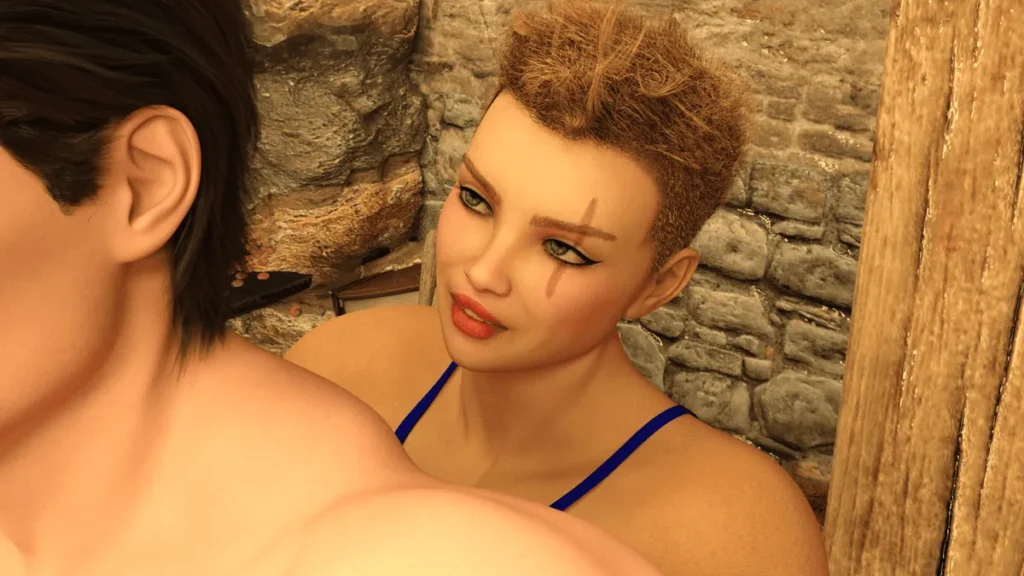
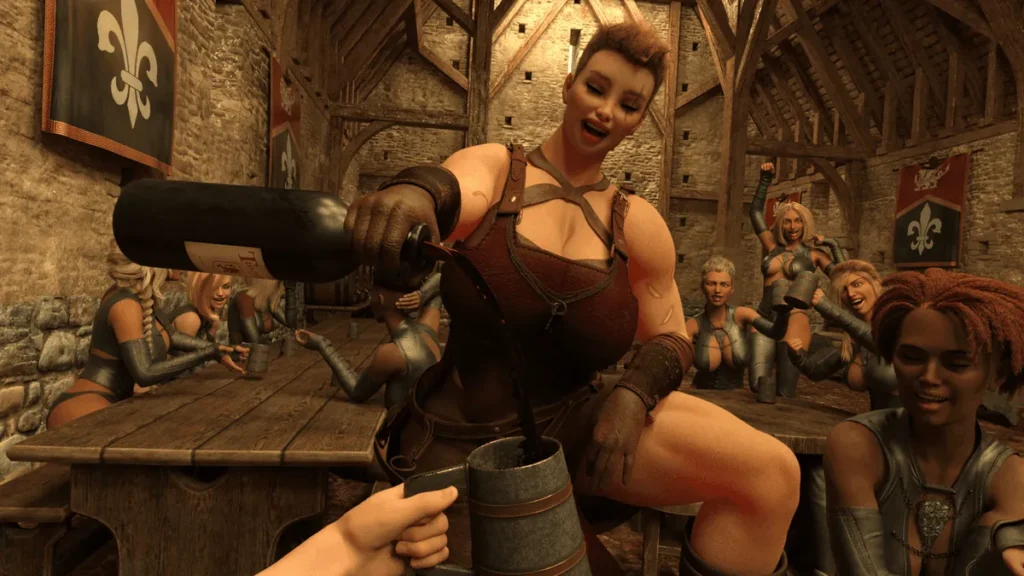
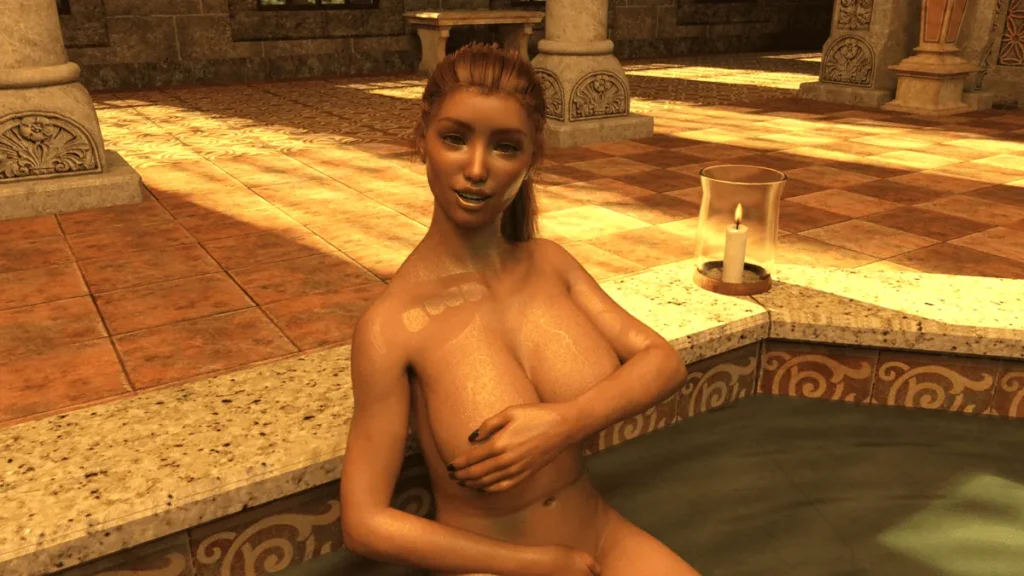
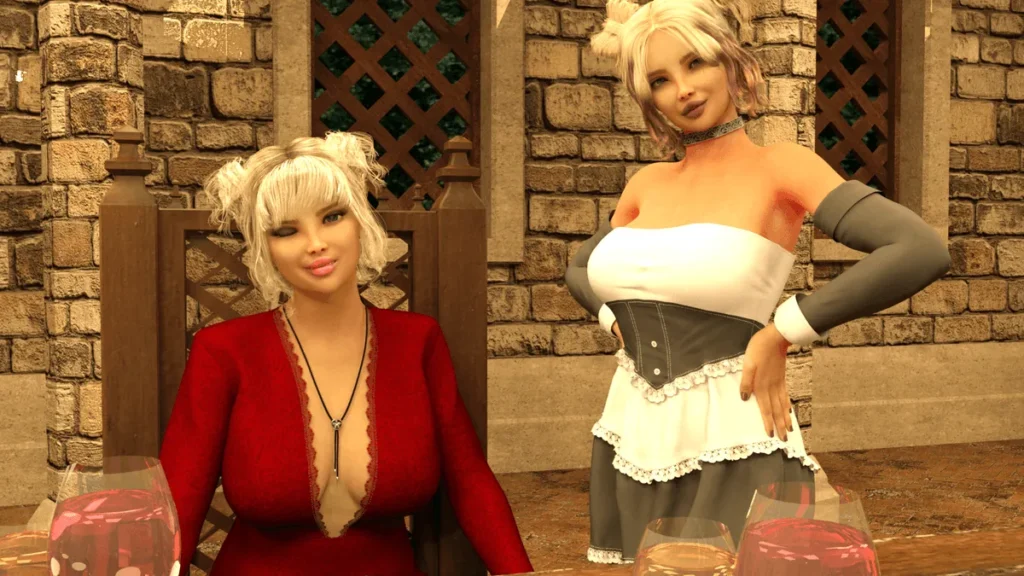
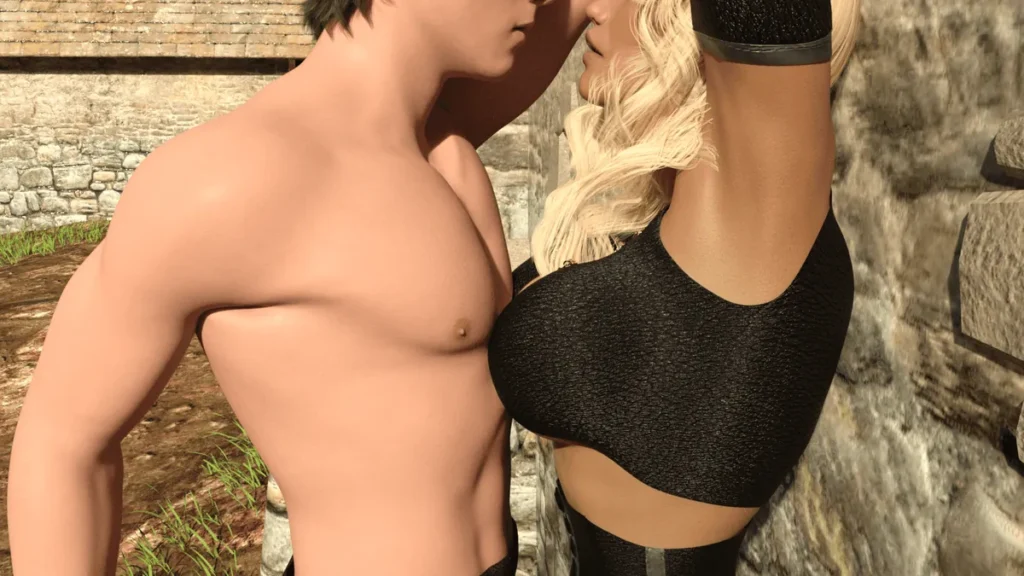
Homelander review
A practical, experience-based look at the Homelander game, its mechanics, and how to get the most out of it
Homelander has inspired a wave of fan-made projects, and one of the most talked about is the Homelander game that blends dark superhero themes with interactive storytelling. When I first stumbled across this title, I was curious whether it was just clickbait or an actual game with depth, choices, and replay value. In this guide, I’ll walk you through what the Homelander game offers, how it plays moment-to-moment, and what you should know before diving in. I’ll also share practical tips from my own playthroughs so you can decide if it fits your tastes and expectations.
What Is the Homelander Game and How Does It Work?
I still remember the first time I stumbled across a clip of this Homelander game. It was a single screenshot, really: a character with a blinding, perfect smile standing in an eerily clean office. The lighting was almost aggressively bright, the kind you see in corporate ads, but the expression in his eyes… it was off. Just slightly. That contrast—the shiny hero aesthetic packed with this quiet, unsettling dread—immediately hooked me. It perfectly captured the vibe of navigating a world where your boss could laser you with a glance if you brought him the wrong type of coffee. 😅
That’s the essence of this unique, fan-made experience. So, what is the Homelander game? In short, it’s a narrative-driven, interactive story where you don’t play as the powerful, unstable superhero figure, but rather, you experience life orbiting around him. Your role might be that of a new Vought assistant, a low-level “hero” on his team, or just a civilian caught in his wake. The game is built on a simple but compelling premise: how do you survive, advance, or even just stay sane when your daily interactions are with a narcissistic, emotionally volatile demigod?
This isn’t a game about super-powered battles. It’s a game about dialogue, tension, and consequence. You’ll spend your time reading through scenes, making conversation choices, and navigating delicate social (and sometimes literal) minefields. The core gameplay loop is all about managing relationships, where a single poorly chosen word can shift someone’s perception of you from “useful ally” to “problem to be eliminated.”
Core concept and setting of the Homelander game
The genius of this Homelander game lies in its perspective. By making you a smaller fish in a very dangerous pond, it magnifies the terror and absurdity of the setting. You’re not the one with ultimate power; you’re the one trying to predict, appease, or cautiously manipulate it.
The setting is a familiar yet original take on a corporatized superhero world. Think gleaming skyscrapers, public relations spin meetings, and the constant, oppressive pressure of maintaining a brand image—especially his brand. The game brilliantly uses its visual novel style to focus on intimate, often uncomfortable, character interactions. You’ll be in boardrooms, private lounges, and crisis control centers, places where the real drama happens behind closed doors.
The tone is a masterful mix. There’s dark satire in the corporate jargon and PR-speak. There’s genuine suspense in trying to figure out what will set the central figure off. And for fans, there’s a lot of clever fan-service in capturing the specific brand of charismatic, petulant, and terrifying energy that defines a Homelander-like character. He’s charming one moment and chilling the next, and the game nails that volatile charisma.
To sum up the heart of the experience:
- Story-First Gameplay: This is a text and choice-driven narrative. Your primary tools are your dialogue selections.
- Branching Pathways: Your decisions actively open up or close off story routes, influencing which characters trust you and what endings you see.
- Specific, Dark Tone: It’s a satirical and tense experience, not a lighthearted superhero romp.
- High Replay Value: With different roles to play and choices to make, seeing all the content requires multiple playthroughs.
Story structure, choices and character interactions
So, how does a typical play session actually work? 🎮 If you’re familiar with visual novel style games, you’ll feel right at home. The Homelander game storyline unfolds through a sequence of scenes. You read descriptive text and character dialogue, and at key moments, you’re presented with a list of potential responses or actions.
These aren’t just cosmetic choices. They are the engine of the entire game. Will you be a sycophantic “yes-man,” always agreeing to everything? Will you be cautiously principled, trying to do some good without getting yourself killed? Or will you be ambitiously manipulative, playing a dangerous game to climb the ladder? The character you’re interacting with—especially the central hero—will remember.
| Your Choice | Potential Outcome |
|---|---|
| Agreeing loudly with a terrible idea | Increases “Favorable” status, but might lower self-respect or alienate other characters. |
| Offering a cautious, logical alternative | Triggers a “Intrigued” response from some, but risks a “Defiant” flag with the powerful. |
| Silence or changing the subject | Could be seen as wise avoidance or weak evasion, altering future dialogue options. |
The game often presents you with lose-lose situations, forcing you to decide which value or relationship you’re going to sacrifice. This creates an incredibly authentic feeling of walking on eggshells. A playthrough might feature occasional interactive scenes beyond dialogue—like quickly choosing a file to present or deciding where to look during a tense meeting—but the heart is always in the conversations.
The Homelander game storyline is not a single, linear path. It’s a web. Early choices can lock you out of entire character arcs or lead you to dramatically different mid-game scenarios and endings. This branching structure is what makes the Homelander game so compelling to replay. You might discover a sympathetic side to a character you previously wrote off, or uncover a dark secret because you chose to snoop in an office you previously avoided.
Platform, access, and player expectations
Now for the practical stuff you need to know before diving in. First and foremost, remember that this is a Homelander game fan-made project. This comes with both charms and caveats.
You typically won’t find it on mainstream gaming platforms. It’s shared within community forums, dedicated fan sites, and indie game hosting spaces. A simple search for “Homelander game download” should point you in the right direction, but always exercise caution. Use reputable community hubs, check comments and feedback, and ensure your antivirus is active. The passion project nature means it’s usually free, but its availability depends on the creator’s chosen distribution method.
Let’s set some honest expectations about production. This isn’t a AAA title with motion-captured cutscenes. The visual novel style often relies on static character portraits, background art, and text boxes. The quality can vary, but the best versions use expressive character art that perfectly conveys subtle shifts in mood—a twitch in the smile, a cold stare—which is far more important than 3D animation for this genre. Sound design might be minimal (some atmospheric music or key sound effects) or even non-existent, leaving the tension to build in your head through the writing alone.
And that writing is where the game truly shines. Personally, I was surprised by how nuanced and character-driven it felt. It doesn’t just parody the concept; it gets inside it, exploring the psychology of power and fear in a way that feels authentic. It’s this depth that makes the Homelander game worth playing.
So, is the Homelander game worth playing? Here’s my take:
It’s absolutely worth your time if you love: Character-driven narratives, tense psychological drama, dark humor, fan projects that “get” the source material, and games where your choices have weight. The replayability to explore different story branches is a huge plus.
You might want to skip it if you’re looking for: Action-packed gameplay, polished 3D graphics, a lighthearted tone, or a straightforward, linear story. This is a slow-burn, cerebral experience.
Regarding Homelander game length, a single playthrough can vary. If you’re reading through all the text and facing the choices, you might spend anywhere from 2 to 4 hours on one path. However, to see the full scope of the branching Homelander game storyline, you’re looking at multiple playthroughs, easily doubling or tripling that total time. It’s a perfect game for a few intense evenings.
| Player Type | Likely Enjoyment | Note |
|---|---|---|
| Fans of the character archetype | Very High | The core appeal is the authentic portrayal of a volatile, charismatic leader. |
| Visual novel / narrative game fans | High | The choice-and-consequence mechanics are well-executed. |
| Players seeking action or combat | Low | This is a dialogue and psychology simulator. |
| Those who prefer cheerful stories | Low | The tone is consistently tense, satirical, and dark. |
Quick FAQ Before You Play 🚀
Is the Homelander game free?
Yes, as a fan-created project, it is almost always distributed for free. Always download from trusted community sources to be safe.
Does the Homelander game have multiple endings?
Absolutely! This is one of its biggest strengths. Your choices lead to several distinct endings, ranging from triumphant to tragic, based on the relationships you’ve built and the lines you’ve crossed.
Do my choices really matter?
They are the entire point. Choices alter character relationships immediately, open up or lock away future scenes, and directly determine which ending you receive. There is no “illusion of choice” here; the narrative branches significantly.
What’s the best way to play it?
Go in blind for your first run. Don’t try to “game” the system. React naturally to the situations and see where your instincts lead you. The most powerful experience comes from facing those tense, split-second dialogue decisions without a guide. You can always replay for a different outcome later!
Spending time with the Homelander game showed me that it is more than a quick novelty; it is a focused, story-heavy experience built around a deeply flawed, superpowered icon. If you enjoy dark superhero settings, tense character dynamics, and making choices that push relationships to their limits, this title can be an unexpectedly engaging ride. Take your time with the dialogue, experiment with different routes, and see how far you’re willing to go in a world ruled by a volatile hero. If the premise intrigues you, downloading a safe copy from a trusted community source and trying a single route is the best way to decide whether it fits your tastes.