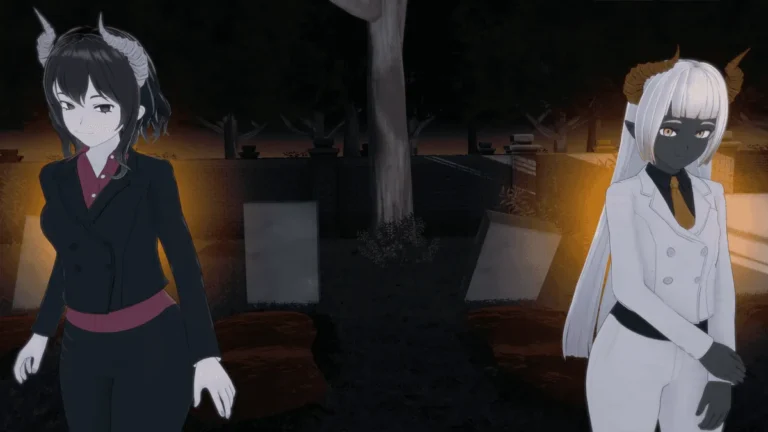
Demons of the Hearth
Play Demons of the Hearth
Demons of the Hearth Screenshots

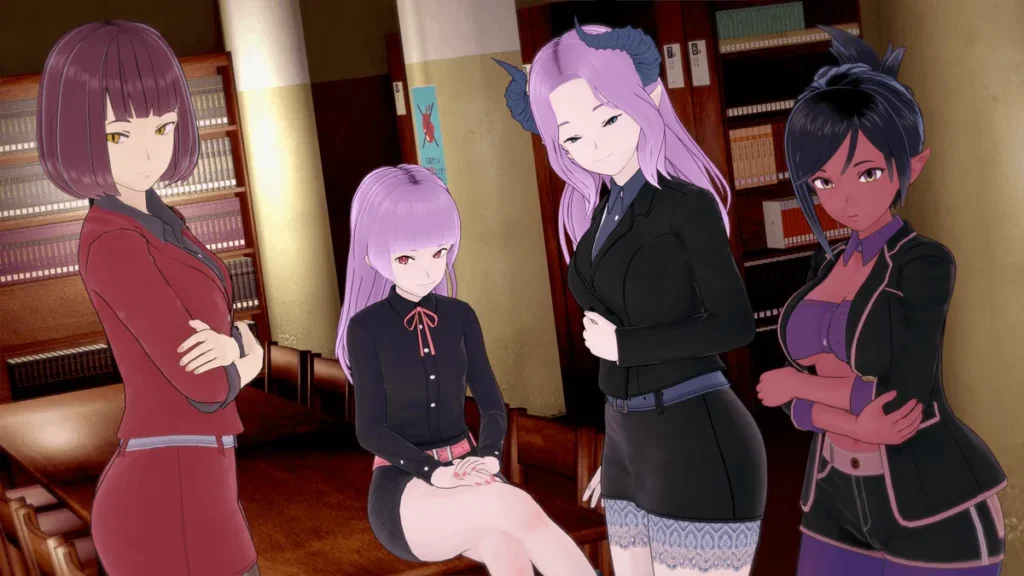
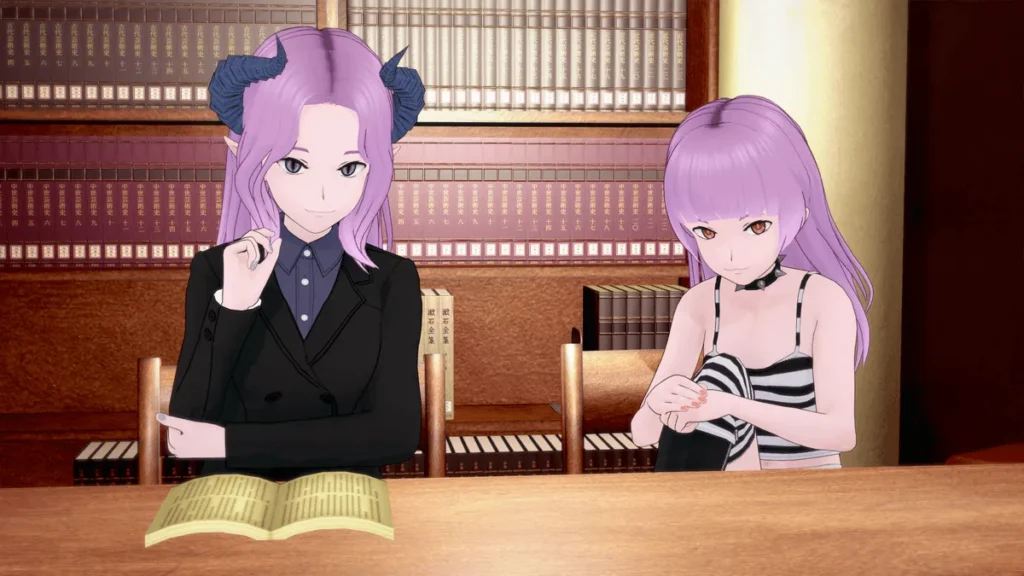
Demons of the Hearth review
Explore storyline, characters, gameplay mechanics, and what makes this visual novel stand out
Demons of the Hearth has earned recognition as a standout adult visual novel that transcends typical genre expectations. This game combines compelling narrative storytelling with character-driven gameplay, creating an experience that appeals to both visual novel enthusiasts and RPG fans. The title has garnered praise for its worldbuilding, character depth, and engaging dialogue that keeps players invested throughout their journey. Whether you’re curious about the gameplay mechanics, story progression, or what sets this title apart from other visual novels, this comprehensive guide covers everything you need to know about this critically acclaimed game.
Understanding Demons of the Hearth: Story, Setting & Core Gameplay
Ever downloaded a visual novel expecting a light, breezy story, only to find yourself hours later, emotionally invested in pixelated characters as if they were real people? 😅 That’s the magic trick a truly great narrative can pull off. But what happens when you combine that deep, character-driven magic with the open-ended freedom of a life simulator? You get something special, something that defies easy labels. You get Demons of the Hearth.
This isn’t just another title on your digital shelf. The Demons of the Hearth visual novel represents a fascinating and mature evolution of the genre. It’s a game that demands to be taken seriously for its writing and world, proving that a story-focused experience can offer profound player agency without sacrificing an ounce of its narrative punch. Let’s dive into what makes this journey so compelling. ✨
What Is Demons of the Hearth and Why It Matters
So, what exactly are you getting into? At its core, Demons of the Hearth is a narrative-driven visual novel with strong life-simulation, or “sandbox,” elements. It’s classified as an adult visual novel, but that descriptor often does it a disservice. While it contains mature themes and content, they are woven into the fabric of its story and character development, rather than being the sole focus. Think of it less as a titillating distraction and more as a sophisticated, character-rich drama where relationships—with all their complexities, intimacies, and conflicts—are the central plot engine. 🔥
What sets it apart, and why it has garnered such a dedicated following, is its unwavering commitment to quality storytelling. Many games in the broader adult genre treat narrative as a mere scaffold for other content. Demons of the Hearth flips that script entirely. Here, the story is the destination, and the adult visual novel gameplay is the nuanced, sometimes messy, path you take to get there. The writing is sharp, the characters feel authentically flawed and human, and the world feels lived-in. It matters because it raises the bar, showing that player choice and mature storytelling can coexist to create a genuinely impactful experience.
I remember starting the game, expecting certain tropes, and being completely disarmed within the first hour. Instead of caricatures, I found characters with histories, motivations, and walls built around their hearts. My goal shifted from “see what happens” to “understand why they are the way they are.” That’s the sign of a narrative that has its priorities straight.
The Narrative Foundation: Plot and Worldbuilding
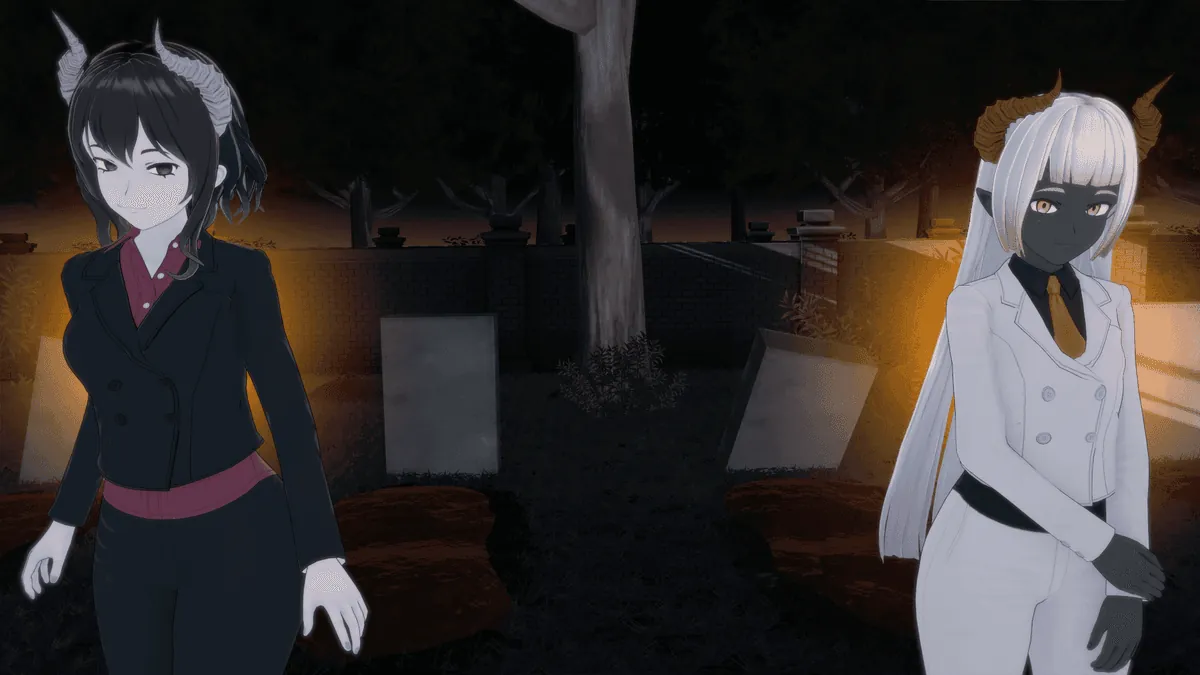
The Demons of the Hearth story begins with a simple yet powerful premise: you inherit a dilapidated tavern in a remote, snow-blanketed valley. Your task is to restore it to its former glory. But this isn’t a peaceful farming sim. The valley is a refuge for outcasts, and your new tavern, the Hearth, becomes a beacon for them—each carrying their own secrets, traumas, and, yes, personal demons. 🏔️
The genius of the Demons of the Hearth worldbuilding lies in its restraint and depth. The setting isn’t a sprawling fantasy continent with a thousand years of lore to memorize. It’s a confined, almost claustrophobic valley during a relentless winter. This isolation intensifies every interaction. The lore is delivered not through dusty tomes, but through whispered conversations in the tavern, arguments that spill into the snow, and the slow, trusting revelation of a character’s past. The world feels deep because you learn about it through the people who inhabit it. You discover the political tensions, the magical undercurrents, and the history of the valley organically, making every piece of information feel earned and significant.
The characters are the true pillars of this world. They aren’t just archetypes waiting for your influence; they are fully realized individuals with their own schedules, problems, and evolving relationships with each other—sometimes whether you’re involved or not. Your role is to step into this existing web of connections and find your place within it. Do you become the stable anchor they all need, or do you get swept up in the existing currents of drama? The Demons of the Hearth worldbuilding succeeds because it makes the characters the world.
“I went in for one thing and stayed for the characters. I found myself actually thinking about their problems when I wasn’t playing, trying to figure out what the right thing to do was. It’s rare for a game to hook you on an emotional level like that.” – A player’s experience on the game’s depth.
Core Gameplay Mechanics and Player Choice
Now, let’s tackle the big question: how does Demons of the Hearth gameplay work? If you’re expecting combat stats or skill trees, you’ll need to adjust your perspective. Here, your primary “stats” are trust, understanding, and time. The gameplay loop is a beautiful, delicate dance between narrative progression and daily life management.
At its heart, the game is about visual novel character choices. Every day, you have a limited amount of energy and time. You can choose to:
* Work on renovating parts of your tavern.
* Go into town to gather resources or meet people.
* Or, most importantly, interact with the characters staying at or visiting the Hearth.
This is where the famous trust system comes into play. Every meaningful interaction builds hidden “trust” or relationship meters with characters. Think of these not as simple love points, but as a measure of intimacy and reliability. You’re not just saying what they want to hear; you’re demonstrating through consistent actions that you are a person they can be vulnerable with. Reaching certain trust thresholds is what triggers pivotal story events, character revelations, and progression in their personal arcs. It’s a system that rewards patience, observation, and genuine engagement.
The sandbox element is crucial here. The game doesn’t hold your hand and point you to the next story beat. It presents you with a living space and says, “Go live.” You decide who to talk to, when to work, and how to spend your precious time. This creates an incredible sense of ownership over the narrative. Did you miss a special event because you spent the day chopping wood? That’s your story. Did you prioritize comforting one character over another during a crisis? That choice will ripple through their future interactions. This balance ensures the game never feels like a grind; every action is a potential step toward a deeper connection or a new discovery.
Your visual novel character choices also shape the protagonist’s personality through a hidden stat system. Are you consistently kind and generous? Are you pragmatic and sometimes blunt? The game remembers, and characters will react to the personality you have cultivated. It’s a masterclass in showing, not telling, when it comes to character development—for both you and the characters around you.
To break it down, here’s a comparison of how traditional elements translate into Demons of the Hearth’s unique framework:
| Traditional Game Element | Demons of the Hearth’s Approach | Player Impact |
|---|---|---|
| Quest Log / Objective Marker | Character needs & trust thresholds. Progression is hinted through dialogue and changing character behavior. | You must listen, observe, and decide what feels important, creating a more immersive and personal investment. |
| Experience Points (XP) | Trust Points & Story Progression. “Leveling up” means unlocking deeper layers of a character’s story. | The reward is emotional payoff and narrative revelation, not a stat increase. |
| Inventory Management | Time & Energy Management. Your resources are the hours in a day and your capacity for social interaction. | You strategize about relationship-building, making daily choices feel significant and sometimes tense. |
Ultimately, the Demons of the Hearth gameplay philosophy is about embracing the quiet moments. It’s in sharing a drink after a long day, noticing someone is missing from their usual spot, or choosing to fix a leaky roof instead of pursuing a conversation. These are the choices that build a life and, in turn, build the story. The game stands out because it has the confidence to let its narrative breathe, trusting that watching complex, damaged people slowly learn to trust again is more than enough to captivate a player. It’s not about winning or losing; it’s about understanding, connecting, and finding a place to call home amidst the storm. ❄️➡️🔥
Demons of the Hearth stands out as a visual novel that prioritizes storytelling and character development alongside its adult content. The game’s strength lies in its compelling narrative, well-written characters, and meaningful player choices that influence both story progression and character relationships. With its balanced approach to sandbox exploration and guided story progression, diverse character cast, and reputation for emotional engagement, the game has earned recognition as one of the better-crafted titles in its genre. Whether you’re drawn to narrative-driven experiences, character-focused gameplay, or simply looking for a visual novel with substance and depth, Demons of the Hearth offers a complete package that rewards player investment and keeps you curious about what comes next in the story.